Posted on Leave a comment

Our Commitment to Safety Recognised by the Workplace Safety & Health Council

We’re proud to share that WellbeingSG has been officially recognised by Singapore’s Workplace Safety and Health (WSH) Council with a BizSAFE certification. But beyond the badge on our wall, we want to explain what this actually means for you our customer and why it matters when you’re buying health supplements online in Singapore.

What is BizSAFE?

BizSAFE is a nationally recognised programme by Singapore’s Workplace Safety and Health Council, developed in collaboration with the Ministry of Manpower (MOM). It was created to help enterprises build up their workplace safety and health capabilities through a structured, five-level framework.

The five levels progress from a top management commitment at Level 1, through risk management planning at Level 2, implementation at Level 3, and audited WSH management systems at Levels 4 and 5 (Star). Each level requires the enterprise to demonstrate increasingly higher standards of safety performance, risk assessment, and continuous improvement.

When a company achieves BizSAFE status, it signals that the organisation has met nationally benchmarked safety standards — not just once, but as part of an ongoing commitment.

Why Should You Care About BizSAFE When Buying Supplements?

You might wonder: what does workplace safety have to do with the supplements I’m taking?

The answer is everything.

Health supplements are products you put into your body. The way they are stored, handled, packed, and shipped directly affects their quality and safety. A supplement that sits in an improperly ventilated warehouse, or gets handled without proper safety protocols, may not deliver what the label promises.

Our BizSAFE certification means that every step of our operation — from receiving stock from our international brand partners, to storing products in controlled conditions, to packing and dispatching your order — follows documented safety procedures that have been assessed against national standards.

Here’s what this looks like in practice at WellbeingSG:

Proper storage conditions: Our health supplements, including temperature-sensitive products like probiotics and omega-3 oils, are stored according to manufacturer specifications. This ensures potency and shelf life are maintained until your order reaches your door.

Safe handling procedures: Every team member involved in our fulfilment process follows established protocols for handling health products. This minimises the risk of contamination, damage, or errors during packing.

Risk assessment and management: We conduct regular risk assessments across our operations, identifying potential hazards and implementing controls before they become problems. This is a core requirement of the BizSAFE framework.

Continuous improvement: BizSAFE isn’t a one-time achievement. It requires ongoing commitment from top management and regular reviews of our safety management system. We don’t just meet the standard — we work to exceed it.

Our Commitment Goes Beyond Certification

At WellbeingSG, safety and quality aren’t just about passing an audit. They’re built into how we select the brands we carry and the products we recommend.

Every brand in our catalogue — from Activhealth’s clinically tested probiotics to Etixx’s sports nutrition range to Efamol’s omega-3 supplements — is chosen based on clinical evidence, manufacturing standards, and third-party certifications. Many of our products carry additional certifications such as Informed Sport (banned substance tested), GMP (Good Manufacturing Practice), and Halal certification.

Combined with our BizSAFE-certified operations, this means you’re getting supplements that are not only evidence-based in their formulation but also handled with care from warehouse to doorstep.

What This Means for Practitioners and Retailers

For the healthcare practitioners and retailers who work with us, our BizSAFE certification provides an added layer of assurance. When you recommend or stock WellbeingSG products, you can be confident that the supply chain behind those products meets nationally recognised safety standards.

If you’re a practitioner interested in partnering with us, visit our Practitioner Account page to learn more.

Trust, Transparency, and Your Wellbeing

In a market where supplement quality can vary widely, certifications like BizSAFE help distinguish companies that take safety seriously from those that don’t. We believe you deserve to know exactly what goes into your supplements — and that the company behind them operates with the same level of care.

Whether you’re shopping for mental wellbeing supplements, digestive health products, or sports nutrition, every order from WellbeingSG is backed by our commitment to safety, quality, and transparency.

Have questions about our safety practices or certifications? Get in touch with us, we’re always happy to share.

Posted on Leave a comment

Better Mind-Body Recovery and Regeneration with ActivHealth Multibiotics ACTIVE PS128 & PS23

Mind in Body Image

When we think about recovery — whether from a tough workout or the gradual muscle loss that comes with aging — the conversation usually centres on protein, rest, and maybe a stretching routine. Rarely does gut health come up.

But emerging research is changing that. Two specific probiotic strains, PS128 and PS23, are showing clinical evidence for something most probiotics can’t claim: reducing stress hormones, supporting muscle health, and improving both physical and mental recovery.

If you’re an athlete looking for a science-backed edge, or someone over 50 concerned about muscle loss and stress, this is worth understanding.

The Problem Most Recovery Plans Miss

Most recovery strategies focus on what goes into your muscles — protein for repair, carbohydrates for glycogen replenishment, creatine for strength. These are important and well-established.

But they ignore a critical factor: what’s happening in your gut and your stress response.

Here’s why that matters. When you’re under physical or mental stress, your body produces cortisol — a hormone that, in excess, breaks down muscle tissue, disrupts sleep, increases inflammation, and slows recovery. High cortisol is the silent saboteur of every recovery plan.

Your gut microbiome directly influences cortisol production through the gut-brain axis. When your gut bacteria are out of balance, stress responses amplify. When they’re supported, stress responses calm down.

This is where PS128 and PS23 come in — and why they’re different from the probiotics on most pharmacy shelves.

What is PS128?

If you’ve read our other articles on PS128 and mental health or PS128 and Parkinson’s, you’ll know this strain well.

PS128 (Lactiplantibacillus plantarum PS128) is a psychobiotic — a probiotic that specifically works on the gut-brain connection. Clinical studies have shown it can modulate dopamine and serotonin pathways, reduce anxiety, improve mood, and support neurological function.

For recovery, the relevant benefit is PS128’s ability to reduce neuroinflammation and support neurotransmitter balance. When your brain chemistry is calmer, your body recovers faster — sleep improves, inflammation drops, and the hormonal environment shifts in favour of repair rather than breakdown.

What is PS23 – And Why Haven’t You Heard of It?

PS23 (Lactobacillus paracasei PS23) is less well-known than PS128, but its clinical profile is particularly relevant for anyone focused on physical performance and aging.

Here’s what the research shows:

Cortisol reduction. In clinical studies, daily PS23 supplementation significantly reduced cortisol levels in stressed adults. Lower cortisol means less muscle breakdown, better sleep, and a calmer stress response throughout the day.

Muscle atrophy prevention. This is where PS23 stands out. Research has shown that PS23 may help prevent sarcopenia — the age-related loss of muscle mass and strength that affects millions of adults over 50. By modulating the gut microbiome and reducing inflammatory processes that accelerate muscle wasting, PS23 supports the body’s ability to maintain lean muscle.

Mood and perceived stress. Beyond cortisol, PS23 has been shown to improve perceived stress levels and mood states, with measurable changes in stress-related blood markers. For athletes, this translates to better mental resilience during training. For older adults, it means less anxiety and better quality of life.

Neuroprotective effects. PS23 works through modulation of the microbiota-gut-brain communication pathway, offering neuroprotective benefits that support cognitive function alongside physical recovery.

Why the PS128 + PS23 Combination Matters

Most recovery supplements target one thing — protein for muscles, magnesium for cramps, melatonin for sleep. The PS128 + PS23 combination targets the system that connects all of these: the gut-brain axis.

Think of it this way:

PS128 addresses the brain side – mood regulation, neurotransmitter balance, neuroinflammation reduction. It helps your mind recover from stress and supports the neurological conditions for physical repair.

PS23 addresses the body side — cortisol reduction, muscle preservation, anti-inflammatory gut support. It creates the hormonal environment where muscles can actually rebuild.

Together, they work on both sides of the recovery equation. This is why they’re combined in the Activhealth Multibiotics Active supplement — not as separate products, but as a paired formulation designed for synergistic benefit.

Who Benefits Most?

Athletes and active individuals. If you’re training regularly, recovery quality determines performance gains. Reducing cortisol, improving sleep, and calming inflammation through gut-brain support adds a layer that protein shakes and foam rollers can’t provide. Combined with proper sports nutrition — including energy gels, creatine, and adequate protein — PS128 + PS23 addresses the recovery factors most athletes overlook.

Adults over 50 concerned about muscle loss. Sarcopenia affects roughly 10-16% of adults over 60. It’s not just about losing strength — it increases fall risk, reduces independence, and impacts quality of life. PS23’s potential to counteract age-related muscle atrophy makes it relevant for anyone in this demographic, especially alongside resistance exercise and adequate nutrition.

High-stress professionals. If chronic stress is your reality, elevated cortisol is likely undermining your sleep, recovery, and long-term health. PS23’s cortisol-lowering effect combined with PS128’s mood support offers a dual approach to stress management through the gut-brain axis.

How to Use It

The practical side is straightforward:

Take one sachet daily, ideally with a meal. The Activhealth Multibiotics Active contains both PS128 and PS23 in clinically relevant doses.

Don’t replace your existing recovery routine. PS128 + PS23 complements – doesn’t replace – proper nutrition, hydration, sleep, and exercise. Think of it as the foundation layer your other recovery tools build on.

Allow 4-8 weeks. Stress and mood improvements typically appear within 2-4 weeks. Muscle-related benefits may take 8-12 weeks of consistent use.

Track your progress. Monitor sleep quality, perceived stress levels, recovery speed between workouts, and any changes in strength or mobility.

The Bigger Picture

Recovery isn’t just about what happens in your muscles after a workout. It’s about the hormonal, neurological, and inflammatory environment your entire body operates in. The gut-brain axis is the control centre for much of this environment.

By supporting it with targeted psychobiotics like PS128 and PS23, you’re not adding another isolated supplement to your stack. You’re supporting the system that makes everything else work better – from protein synthesis to stress resilience to quality sleep.

Whether you’re 25 and training for a marathon or 65 and working to maintain your independence, the principle is the same: a healthier gut supports a stronger, calmer, more resilient body and mind.

Posted on Leave a comment

How to Reduce Stress Hormones: Proven Strategies for a Healthier You

If you’ve been feeling constantly wired, sleeping poorly, gaining weight around your midsection, or just can’t seem to switch off – your cortisol levels might be the problem.

Cortisol is your body’s primary stress hormone. In short bursts, it’s essential – it keeps you alert during a deadline, helps you react to danger, and regulates your metabolism. But when stress becomes chronic, cortisol stays elevated for too long, and that’s when things start breaking down.

Here’s what most guides on reducing stress hormones don’t tell you: the standard advice (exercise more, sleep better, meditate) is important but incomplete. There’s a biological system that controls how much cortisol your body produces, and most people have never heard of it.

We’ll get to that. But first, let’s cover the foundations.

What Happens When Cortisol Stays Too High?

Before jumping to solutions, it helps to understand what elevated cortisol actually does to your body. This isn’t just about “feeling stressed.” Chronic high cortisol has measurable physical effects:

It promotes fat storage, particularly around the abdomen, even if your diet hasn’t changed. It suppresses your immune system, making you more susceptible to illness. It disrupts sleep architecture, meaning even if you sleep eight hours, you may not get the deep restorative sleep your body needs. It breaks down muscle tissue, counteracting the benefits of exercise. And it impairs memory and concentration by affecting the hippocampus — the brain’s memory centre.

Understanding these effects makes it clear why managing cortisol isn’t just a wellness trend. It’s a health priority.

1. Move Your Body – But Choose the Right Type of Exercise

Exercise lowers cortisol, but not all exercise is equal when it comes to stress hormones.

Moderate-intensity activities – walking, swimming, cycling, yoga – consistently reduce cortisol in studies. However, very intense or prolonged exercise (marathon training, high-volume CrossFit sessions, overtraining) can actually increase cortisol temporarily.

The key is consistency over intensity. A 30-minute walk every day does more for your stress hormones than one brutal gym session followed by three days of exhaustion.

If you’re already training at high intensity, the recovery side becomes even more important – which is where nutrition and gut health support come in.

2. Fix Your Sleep Schedule, Not Just Your Sleep Duration

Everyone knows sleep matters. But the detail most people miss is that sleep timing affects cortisol more than sleep duration.

Cortisol follows a natural daily rhythm – it peaks in the early morning (to wake you up) and drops to its lowest point around midnight. When you go to bed at inconsistent times or expose yourself to bright screens late at night, this rhythm gets disrupted, and cortisol stays elevated when it should be dropping.

Practical changes that actually work: go to bed within the same 30-minute window every night, dim your lights an hour before sleep, and avoid eating large meals within two hours of bedtime. These are more impactful than simply “trying to sleep more.”

Supplements like magnesium bisglycinate can also support sleep quality – magnesium helps relax the nervous system and is one of the most common nutritional deficiencies in stressed adults.

3. Eat to Regulate, Not Just to Fuel

Your diet directly influences cortisol production. But rather than listing foods to eat and avoid (you already know vegetables are good and excess sugar is bad), here’s the principle that matters:

Blood sugar stability controls cortisol. Every time your blood sugar crashes — from skipping meals, eating refined carbs without protein, or relying on caffeine instead of food — your body releases cortisol to compensate. This is why stressed people often crave sugar: it’s cortisol driving that craving.

The fix: eat balanced meals combining protein, healthy fats, and complex carbohydrates at regular intervals. Omega-3 fatty acids from fish oil or supplements like Efamol have been shown in clinical studies to directly reduce cortisol reactivity – meaning your body produces less cortisol in response to the same stressor.

4. Rethink Your Relationship with Caffeine

This isn’t about quitting coffee. It’s about timing.

Caffeine stimulates cortisol production. Drinking coffee first thing in the morning — when cortisol is already at its natural peak — amplifies an already-high stress response. Studies show this effect is strongest in people who are chronically stressed.

A simple adjustment: delay your first coffee until 90 minutes after waking, when your natural cortisol peak has passed. This small change can noticeably reduce the jittery, wired-but-tired feeling that many stressed people experience.

5. Build Social Connection Into Your Routine

Isolation amplifies cortisol. Connection lowers it. This isn’t motivational advice — it’s measurable biology.

Physical touch, meaningful conversation, and even the presence of trusted people activate your parasympathetic nervous system (the “rest and digest” mode), which directly suppresses cortisol production.

If your stress management plan doesn’t include regular time with people who make you feel safe, it’s missing one of the most powerful cortisol-lowering tools available. Support for mental wellbeing isn’t just about supplements — it’s about human connection.

6. Breathe Before You Meditate

Meditation is effective for cortisol reduction – the research is strong. But many people struggle with it, especially when they’re stressed (which is ironic, since that’s when they need it most).

If sitting still with your thoughts feels impossible right now, start with structured breathing instead. A technique called physiological sighing – two short inhales through the nose followed by one long exhale through the mouth — has been shown in Stanford research to reduce cortisol more quickly than traditional meditation.

Do this for 5 minutes. That’s it. Once your nervous system calms down, meditation becomes much easier.

7. The One Most People Miss – Your Gut Controls Your Stress Response

Here’s what most stress-management guides leave out entirely: your gut microbiome directly influences how much cortisol your body produces.

The gut and brain communicate through the gut-brain axis — a bidirectional highway of nerve signals, hormones, and immune messengers. When your gut bacteria are out of balance (from poor diet, antibiotics, chronic stress itself, or lack of fibre), this communication breaks down, and your stress response amplifies.

This is where a specific class of probiotics called psychobiotics becomes relevant. Unlike regular probiotics that target digestion, psychobiotics work on the gut-brain connection – specifically influencing neurotransmitter production and stress hormone regulation.

One strain in particular has clinical evidence for cortisol reduction: PS23 (Lactobacillus paracasei PS23). In studies with stressed adults, daily PS23 supplementation significantly lowered cortisol levels and improved perceived stress, mood, and related blood markers.

Combined with PS128 (Lactiplantibacillus plantarum PS128), which supports dopamine and serotonin pathways, you get a dual approach to stress management that addresses the biological root – not just the symptoms.

Both strains are available together in the Activhealth Multibiotics Active supplement, which contains clinically relevant doses of PS128 and PS23.

This isn’t a replacement for the other six strategies. It’s the missing piece that makes them work better. When your gut-brain axis is supported, sleep improves, exercise recovery accelerates, mood stabilises, and your body’s entire stress response becomes more proportionate to what’s actually happening in your life.

Putting It All Together

Reducing cortisol isn’t about doing one thing perfectly. It’s about creating an environment – physical, nutritional, social, and biological – where your stress response can return to normal.

Start with whatever feels most manageable. Fix your sleep timing. Delay your coffee. Call a friend. Take a walk. And consider whether your gut might be the missing piece in your stress management puzzle.

Small changes compound. Your body wants to find balance – sometimes it just needs the right support.

Posted on Leave a comment

IBS and the Gut-Brain Connection – Why Your Digestive Issues Might Start in Your Head

If you’ve been diagnosed with irritable bowel syndrome, you’ve probably been told to eat more fibre, avoid trigger foods, and manage your stress. All reasonable advice – but it rarely explains why stress makes your gut worse, or why your gut problems seem to make your anxiety worse.

The answer lies in something called the gut-brain axis, and understanding it can fundamentally change how you approach managing IBS.

This isn’t a medical textbook definition of IBS. If you need that, your doctor or a medical reference site like Mayo Clinic can provide it. What we’re going to focus on is the part most IBS guides skip – the bidirectional relationship between your gut and your brain, and what you can actually do about it.

The Cycle Most IBS Sufferers Don’t Realise They’re Stuck In

Here’s what typically happens with IBS:

You feel stressed about something – work, a deadline, a social situation. Your gut reacts. Bloating, cramping, urgency, or constipation shows up. Now you’re stressed about the gut symptoms on top of the original stress. This makes the symptoms worse. The cycle continues.

Most people think stress is just a trigger that makes existing IBS flare up. But research now shows it’s more than that. The gut and brain are in constant two-way communication through the vagus nerve, immune signalling, and hormonal pathways. When one side is disrupted, the other responds.

This means your IBS isn’t just a digestive problem. It’s a gut-brain problem. And treating only the gut side – while ignoring the brain side – is why many people never fully get their symptoms under control.

What’s Actually Happening in Your Gut During IBS

Three things are typically going wrong at the biological level in IBS, and all three connect back to the gut-brain axis:

Your gut bacteria are out of balance. Research consistently shows that people with IBS have a different microbiome composition compared to people without the condition. Certain beneficial bacteria are reduced, while others that promote gas production and inflammation are overrepresented. This imbalance affects how your gut processes food, produces gas, and communicates with your brain.

Your gut is more sensitive than it should be. This is called visceral hypersensitivity. The nerves in your digestive tract overreact to normal stimuli – gas, food moving through the intestines, or slight distension. Signals that a healthy gut would ignore get amplified and sent to the brain as pain or urgency. Stress makes this sensitivity worse by increasing nerve activity in the gut.

Your gut motility is disrupted. The muscles in your intestinal wall contract to move food through your system. In IBS, these contractions can be too strong (causing diarrhea and cramping) or too weak (causing constipation and bloating). The brain directly influences these contractions through the nervous system – which is why anxiety can send you running to the bathroom, and depression can slow everything down.

Understanding these three mechanisms makes it clear why a fibre supplement alone isn’t enough for most people with IBS.

Three Approaches That Address the Gut-Brain Connection

1. Targeted Probiotics – Not All Strains Are Equal

If you’ve tried a generic probiotic and it didn’t help your IBS, that doesn’t mean probiotics don’t work. It means you took the wrong strain.

Most pharmacy probiotics contain strains designed for general gut health — Lactobacillus acidophilus, Bifidobacterium lactis. These can be helpful for mild digestive issues but don’t specifically target the gut-brain communication problems that drive IBS.

What IBS sufferers need are strains that address both the gut microbiome AND the stress response. This is where psychobiotics – probiotics that work on the gut-brain axis – become relevant.

PS128 (Lactiplantibacillus plantarum PS128) has clinical evidence for reducing anxiety, improving mood, and modulating neurotransmitter pathways. For IBS sufferers whose symptoms are closely tied to stress and anxiety, this addresses the brain side of the equation.

For the gut side, strains that specifically support digestive function and reduce inflammation – like those found in digestive-focused probiotics – help rebalance the microbiome and reduce the bacterial imbalance driving symptoms.

The key principle: match your probiotic to your primary symptom driver. If stress triggers your IBS, a psychobiotic like PS128 may help more than a standard digestive probiotic. If your symptoms are primarily digestive regardless of stress, a gut-focused probiotic may be more appropriate. Many people benefit from both.

2. Digestive Enzymes – Breaking Down the Problem (Literally)

Enzyme deficiency is an underrecognised factor in IBS. When your body doesn’t produce enough digestive enzymes, food isn’t fully broken down before it reaches the large intestine. Undigested food then gets fermented by gut bacteria, producing excess gas, bloating, and discomfort – classic IBS symptoms.

Digestive enzyme supplements can help by supporting the breakdown of proteins, fats, and carbohydrates before they cause problems downstream. Products like Enzymedica offer targeted enzyme formulations designed specifically for this purpose.

This is particularly relevant if you notice that your IBS symptoms get worse after eating specific food types — dairy, fatty foods, or high-fibre meals. The issue may not be the food itself, but your body’s ability to process it.

3. Addressing the Stress Side Directly

Since the gut-brain axis works in both directions, managing your stress response directly benefits your gut. But instead of generic “reduce stress” advice, here are specific approaches supported by research:

Diaphragmatic breathing activates the vagus nerve – the primary communication channel between your gut and brain. Even 5 minutes of slow belly breathing can shift your nervous system from “fight or flight” to “rest and digest,” directly reducing gut reactivity. This is more targeted than general meditation for IBS specifically.

Regular movement – particularly walking after meals – supports gut motility and reduces the gas retention that causes bloating. You don’t need intense exercise; 15-20 minutes of gentle walking after your main meal can make a noticeable difference.

Sleep consistency matters more than sleep duration for IBS. Your gut has its own circadian rhythm, and irregular sleep patterns disrupt the microbial balance and increase visceral sensitivity. Going to bed at the same time each night – even on weekends – is one of the most underrated IBS management tools.

For supplemental support, PS23 has been shown in clinical studies to reduce cortisol levels, which directly calms the stress response that amplifies IBS symptoms. You can read more about how PS23 works on cortisol in our detailed guide.

What About Diet?

Diet matters for IBS, but not in the way most articles present it. Here’s the practical framework:

Identify YOUR triggers, not generic trigger lists. Common IBS trigger foods (dairy, wheat, beans, caffeine) affect different people differently. A food diary over 2-3 weeks is more useful than any generic elimination diet.

Fibre is nuanced. Soluble fibre (oats, psyllium, sweet potatoes) generally helps IBS. Insoluble fibre (wheat bran, raw vegetables) can make symptoms worse for some people. Don’t just “eat more fibre” – eat the right type.

Omega-3 fatty acids have anti-inflammatory properties that may help reduce gut inflammation in IBS. Omega-3 supplements from fish oil sources are worth considering as part of an overall anti-inflammatory approach.

When to See a Doctor

IBS is manageable for most people, but certain symptoms warrant medical attention: unexplained weight loss, blood in your stool, symptoms that wake you from sleep, onset after age 50, or symptoms that are getting progressively worse despite management. These could indicate a different condition and should be evaluated by a gastroenterologist.

Putting Your IBS Management Plan Together

Effective IBS management isn’t about finding one magic solution. It’s about addressing the gut-brain connection from multiple angles:

Support your gut microbiome with targeted probiotics matched to your symptoms. Consider digestive enzymes if food digestion seems to be a primary trigger. Address the stress-gut cycle through breathing techniques, consistent sleep, and cortisol-lowering support. Identify your personal food triggers through systematic tracking, not generic lists. And most importantly – understand that IBS is a gut-brain condition, not just a gut condition.

Small, consistent changes across these areas compound over time. Your gut and brain are connected. Treat them that way.

Posted on Leave a comment

Evidence-Based Wellbeing in Singapore – Your Complete Guide to Supplements That Actually Work

Singapore consistently ranks among the healthiest countries in the world, with one of the highest life expectancies globally. But longevity doesn’t always mean wellbeing.

Mental health conditions affect roughly 1 in 7 Singaporeans. Chronic conditions like diabetes and hypertension are rising. And the fast-paced lifestyle that drives Singapore’s economy often comes at the cost of stress, poor sleep, and nutritional gaps.

This guide takes a different approach to wellbeing. Instead of generic advice about joining a gym or eating more vegetables (you already know that), we focus on what the clinical research actually says about supplements that support mental, digestive, and physical health – and how to choose ones that are worth your money.

Every product and approach mentioned in this guide is backed by published clinical studies. No hype, no miracle claims — just evidence.

Mental Wellbeing – The Gut-Brain Connection Most People Miss

Mental health isn’t just about mindset. Emerging research shows that your gut microbiome directly influences your mood, anxiety levels, sleep quality, and cognitive function through the gut-brain axis.

This is the science behind a class of supplements called psychobiotics – probiotics specifically designed to support the gut-brain connection.

The research worth knowing about:

PS128 (Lactiplantibacillus plantarum PS128) has been studied across multiple conditions – from stress and anxiety in adults to behavioural improvements in children with autism and ADHD, to motor function in Parkinson’s patients. The consistent finding: PS128 modulates dopamine and serotonin pathways through the gut, leading to measurable improvements in mood and neurological function.

Read more:

Shop: Mental Wellbeing Supplements | PS128 Probiotic

Brain Health – What Omega-3 and Omega-6 Actually Do

Omega-3 fatty acids (EPA and DHA) and omega-6 (GLA) have been studied extensively for their roles in brain function, mood regulation, and cognitive development. But the evidence isn’t equal across all conditions.

The strongest evidence supports EPA-rich omega-3 formulations for depression and mood support, DHA-focused formulations for children’s brain development and ADHD, and GLA for nerve health and anti-inflammatory support.

The key insight: the ratio of omega-3 to omega-6 in your diet matters more than the absolute amount. Most modern diets contain far too much omega-6, promoting chronic inflammation. Supplementing with omega-3 helps rebalance this ratio.

Read more:

Shop: Omega-3 and Omega-6 Supplements | Vitamins and Minerals for Brain Health

Stress Management – Beyond “Just Relax”

Chronic stress elevates cortisol, which breaks down muscle, disrupts sleep, promotes fat storage, and suppresses immune function. The standard advice — meditate, exercise, sleep more — is valid but incomplete.

What most stress-management guides miss is that your gut microbiome directly controls cortisol production. PS23 (Lactobacillus paracasei PS23) has clinical evidence for reducing cortisol levels, while PS128 supports dopamine and serotonin pathways. Together, they address stress at the biological level, not just the behavioural level.

Read more:

Shop: Stress Support Supplements | Magnesium for Sleep and Relaxation

Digestive Health – When Your Gut Needs More Than Fibre

Digestive issues like bloating, constipation, and IBS affect quality of life more than most people admit. And the solution isn’t always “eat more fibre.”

Two approaches that clinical research supports: targeted probiotics that rebalance your gut microbiome, and digestive enzymes that help your body break down food more efficiently before it causes problems.

For IBS specifically, the gut-brain connection plays a central role — stress amplifies gut sensitivity, and gut discomfort amplifies stress, creating a cycle that’s hard to break without addressing both sides.

Read more:

Shop: Digestive Health Supplements | Digestive Enzymes | Digestive Probiotics

Active Lifestyle – Recovery Is Where the Gains Happen

Whether you’re training for a race or simply trying to stay active as you age, recovery quality determines progress. Protein and rest are the basics — but your hormonal environment, inflammation levels, and gut health determine how effectively your body actually rebuilds.

Beetroot-based recovery shots provide natural dietary nitrate for circulation and blood pressure support. Creatine supplementation supports muscle strength and mass. And the PS128 + PS23 combination addresses the stress-recovery balance through the gut-brain axis.

Shop: Sports and Fitness Supplements | Protein Products | Healthy Snacks

Why Source and Safety Matter

Not all supplements are equal, and Singapore’s market includes products from unverified sources. Two things set WellbeingSG apart:

We are the authorised distributor for every brand we carry. Every product comes through a verified supply chain, is stored under proper conditions, and is backed by full product support.

We are BizSAFE certified by Singapore’s Workplace Safety and Health Council, ensuring our operations meet nationally benchmarked safety standards from warehouse to doorstep.

Read more:

Start Where It Matters Most

You don’t need to overhaul everything at once. Pick the area that affects your daily life the most:

If stress and anxiety are your primary concern, start with understanding the gut-brain connection and consider a psychobiotic like PS128.

If digestive discomfort dominates your day, explore targeted probiotics and digestive enzymes.

If cognitive function, mood, or your child’s brain development is the priority, look into omega-3 and omega-6 supplementation.

If physical performance or age-related muscle loss concerns you, consider the PS128 + PS23 combination alongside your existing routine.

Whatever you choose, choose evidence over hype. Your wellbeing deserves better than marketing claims.

Posted on Leave a comment

Magnesium Spray vs Tablets – Why More People Are Switching to Transdermal Magnesium

If you’ve tried magnesium tablets and felt like they weren’t doing much, you’re not imagining it. Oral magnesium supplements have a well-documented absorption problem – depending on the form, your body may only absorb 20-50% of what you swallow. The rest passes through your digestive system unused.

This is why a growing number of people are switching to transdermal magnesium – magnesium applied directly to the skin, typically as an oil spray. But does it actually work better? And which type of spray is right for your specific needs?

Let’s break it down.

Why Magnesium Matters More Than Most People Realise

Magnesium is involved in over 300 biochemical reactions in your body. It supports muscle function, nerve signalling, sleep regulation, energy production, and bone health. It also plays a direct role in managing cortisol and stress hormones.

Despite being essential, magnesium deficiency is remarkably common. Modern diets – high in processed foods, low in leafy greens and nuts – often don’t provide enough. Stress depletes magnesium further, creating a cycle: stress lowers magnesium, and low magnesium makes you more vulnerable to stress.

Common signs of magnesium deficiency include muscle cramps or twitching, difficulty sleeping, persistent fatigue, anxiety or restlessness, and irregular heartbeat. If any of these sound familiar, your magnesium levels may be worth investigating.

The Absorption Problem with Oral Magnesium

Not all magnesium supplements are created equal, and the primary difference comes down to absorption.

Common forms like magnesium oxide (found in many pharmacy supplements) have absorption rates as low as 4%. Even better-absorbed forms like magnesium bisglycinate – which is chelated for higher bioavailability – still need to pass through your digestive system, where absorption varies based on gut health, food intake, and individual physiology.

For people with digestive issues, IBS, or compromised gut health, oral magnesium can also cause side effects like loose stools or stomach discomfort, which limits how much they can comfortably take.

This is where transdermal delivery offers an advantage.

How Magnesium Oil Spray Works

Magnesium oil spray isn’t actually an oil – it’s a concentrated solution of magnesium chloride in water that has an oil-like feel on the skin. When applied topically, magnesium absorbs through the epidermis directly into the bloodstream, bypassing the digestive system entirely.

This means no stomach issues, no competition with food for absorption, and direct delivery to the tissues that need it. For people who struggle with oral supplements, this is a meaningful alternative.

The term for this is transdermal supplementation, and it’s the approach pioneered by BetterYou — a UK-based brand that has spent over 15 years developing spray-based supplements specifically designed for optimal absorption through the skin and oral mucosa.

Which Magnesium Spray Is Right for You?

This is where most magnesium guides fall short – they tell you magnesium is important but don’t help you choose between different formulations. BetterYou makes three distinct magnesium oil sprays, each designed for a specific purpose:

BetterYou Magnesium Oil Original Spray

This is your everyday magnesium maintenance spray. It delivers pure magnesium chloride sourced from the ancient Zechstein seabed (one of the purest natural magnesium sources in the world). Use it if your primary goal is to maintain healthy magnesium levels, support general muscle function, and address mild deficiency symptoms like cramps or fatigue.

Best for: general supplementation, muscle cramps, anyone who doesn’t tolerate oral magnesium well.

BetterYou Magnesium Oil Goodnight Spray

This formulation combines magnesium chloride with essential oils – lavender and chamomile – specifically chosen for their calming properties. The magnesium relaxes muscles and supports the nervous system, while the aromatherapy layer promotes mental relaxation.

If sleep quality is your primary concern, this is the one to choose. Spray it on your chest, shoulders, or the soles of your feet 20 minutes before bed. Many users report falling asleep faster and waking less during the night within the first week.

For comprehensive sleep support, you could also consider pairing this with an oral magnesium bisglycinate supplement – the spray works on the surface muscles while the oral form supports deeper systemic levels.

Best for: insomnia, restless legs, pre-bed relaxation, stress-related sleep issues.

BetterYou Magnesium Oil Joint Spray

This spray adds glucosamine to the magnesium chloride base, specifically targeting joint comfort and mobility. It’s designed for direct application to joints that feel stiff, sore, or inflamed.

For active individuals and older adults dealing with joint discomfort, this provides localised magnesium delivery right where it’s needed. It’s particularly useful post-exercise or first thing in the morning when joints tend to feel stiffest.

Combined with omega-3 supplements for systemic anti-inflammatory support, this creates a comprehensive joint care approach – topical relief plus internal support.

Best for: joint stiffness, post-exercise recovery, age-related joint discomfort, active lifestyles.

How to Use Magnesium Oil Spray Effectively

Getting the most from transdermal magnesium comes down to a few practical details:

Apply to clean, dry skin for best absorption. Post-shower is ideal because your pores are open and the skin is free of oils and lotions that could create a barrier.

Target large skin areas – inner arms, legs, stomach, shoulders. These areas have good blood flow and absorb efficiently. For the Joint spray, apply directly to the affected joint.

Leave it on for at least 20 minutes before showering or applying moisturiser. This gives the magnesium time to absorb. Some people experience a mild tingling sensation on first use – this is normal and typically reduces as your magnesium levels improve over time.

Start with 4-5 sprays per area and increase gradually. If you experience tingling, it often indicates lower magnesium levels. As your levels normalise, the sensation usually disappears.

Consistency matters more than quantity. Daily use at the same time (morning or evening, depending on the formulation) builds and maintains magnesium levels more effectively than sporadic large doses.

When Sprays and Oral Supplements Work Together

Transdermal and oral magnesium aren’t competing approaches – they’re complementary.

Oral magnesium (like magnesium bisglycinate capsules) provides systemic, whole-body magnesium support. It’s absorbed through the gut and distributed throughout your body over hours.

Topical magnesium spray provides fast, localised relief. It reaches the muscles and tissues directly under the skin quickly, making it ideal for acute muscle tension, pre-sleep relaxation, or joint-specific support.

For someone dealing with both general magnesium deficiency and specific symptoms like muscle cramps or poor sleep, using both forms together covers all bases – systemic support from oral supplementation and targeted relief from the spray.

The Bigger Picture

Magnesium doesn’t work in isolation. It’s part of a broader approach to physical wellbeing that includes adequate protein for muscle repair, omega-3s for inflammation management, quality sleep, and regular movement.

If stress is driving your magnesium depletion –  which it often is – addressing the stress response through the gut-brain axis with targeted psychobiotics can help break the cycle at its source.

Magnesium spray is one piece. But for many people, it’s the piece that makes the most immediate, noticeable difference – because you can literally feel it working within minutes of application.

Posted on Leave a comment

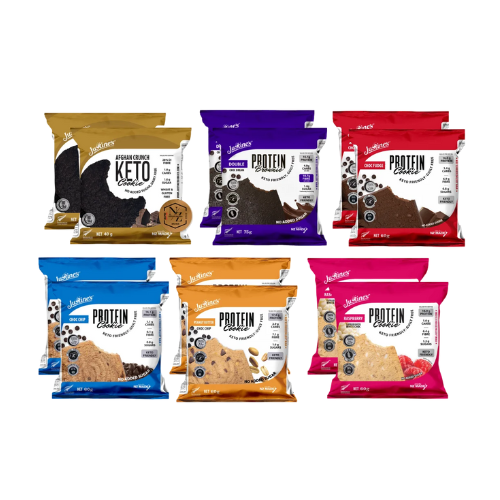
Best Protein Cookies in Singapore – Keto, Halal and Actually Delicious

Best protein cookie in Singapore

We will introduce you the best Protein cookie in Singapore. Protein cookies are nutrition cookies that contain protein levels that are higher than typical snack cookies. Depending on the brand, a protein cookie can provide a varying amount of carbohydrates and fat as well. Many protein cookies are flavored to taste like an appealing snack and are pre-packaged to be an easy food to toss in a bag on the way out the door.

Dietary purpose

Protein cookies serve a few specific dietary purposes:

  • Muscle Repair and Growth: Protein is essential for muscle repair and growth. Athletes or those engaging in strength training often consume protein cookies to help meet their protein needs and support muscle recovery.
  • Satiety and Weight Management: Protein can help increase feelings of fullness, which might reduce overall calorie intake and assist with weight management. A protein cookie can be a satisfying snack that helps curb hunger between meals.
  • Convenient Protein Source: For people with busy lifestyles or those who are on-the-go, protein cookies provide a portable and convenient way to get a protein boost without needing to prepare a meal or shake.
  • Nutritional Balance: Depending on the recipe, protein cookies can also include other beneficial ingredients like fiber, healthy fats, and vitamins, contributing to a balanced diet.
  • Energy Boost: The protein content in these cookies can help maintain steady energy levels, especially when combined with carbohydrates and fats.

Are protein cookies good for you?

Protein cookies can be a healthy part of your diet if you choose the right ones. However, some protein cookies contain high amounts of sugar or undesirable ingredients like artificial flavors and colors, which can undermine health goals.

Here are some tips for selecting a better-for-you protein cookie:

  • Limit Added Sugars: Aim for cookies with less than 15 grams of added sugar per serving.
  • Check Protein Content: Look for cookies that provide at least 10 grams of protein.
  • Avoid Artificial Ingredients: Steer clear of artificial flavors, sweeteners, and colors.
  • Choose Non-GMO: Opt for cookies made without genetically modified ingredients.
  • Keep it Simple: Select cookies with seven or fewer ingredients.
  • Go Natural: Choose cookies flavored with natural ingredients like real peanut butter or chocolate.
  • Fiber Content: Pick cookies with at least 5 grams of fiber to help you feel full and satisfied.
  • Watch Saturated Fat: Keep an eye on the saturated fat content to ensure it’s low.

Protein cookie in Singapore (Justine’s – Protein cookie)

About Justine’s – The world has a universal love for cookies. But you would be hard pressed to find anyone more passionate about cookies and brownies than Justine!

Dedicated to creating compelling, guilt-free snacking solutions for anyone and everyone, Justine, who is a caring and nurturing person by nature, has developed recipes that are simply irresistible whilst helping you maintain a healthier lifestyle.

Oh, and did we mention that they are packed full of goodness too? That means you can enjoy a tasty snack knowing it is protein-rich, packed full of fiber, and is ultra-low in carbs.


SGD $4.55/1  > $13.50/3  >  $27/6 >  $54/box of 12

Flavors: 

Afghan CrunchChoco Fudge / Double Choc BrownieChocolate Chip / Peanut Butter / Raspberry White Choc


Justine’s Protein Cookie & Brownies – Assorted Flavors

Shop Now !!  Wellbeingsg.comLazada / Shopee

Posted on Leave a comment

Protein bar in Singapore

Protein bar in Singapore

We will introduce you the best Protein bars in Singapore. Protein bars are marketed as a convenient source of protein with relatively low carbohydrates and fats. However, despite their focus on protein, many commercially available protein bars contain more added sugar than some desserts, such as cookies or doughnuts.

Dietary purpose

Protein bars are designed primarily for individuals seeking a convenient, no-preparation-needed source of protein (unless homemade). There are various types of food bars to serve different needs:

  • Energy bars provide most of their calories from carbohydrates.
  • Meal replacement bars aim to substitute a full meal, offering a range of nutrients.
  • Protein bars typically contain higher protein content than both energy and meal replacement bars, but are lower in carbohydrates, vitamins, and minerals compared to meal replacement bars.

Protein bars are predominantly marketed to athletes and fitness enthusiasts for muscle building or as a convenient wellness food. The global market for these bars is growing and is projected to reach $2 billion in annual sales by 2026.

The Benefits Protein bar

Protein bars offer several benefits, particularly for those with active lifestyles or specific dietary needs:

  1. Convenience: They provide a quick, portable source of protein without the need for preparation, making them ideal for busy schedules or on-the-go situations.
  2. Muscle Repair and Growth: High protein content supports muscle repair and growth, making them a popular choice among athletes and those engaged in strength training.
  3. Satiety: Protein bars can help with satiety, reducing hunger and cravings between meals, which can aid in weight management.
  4. Nutrient Boost: Some protein bars are fortified with additional vitamins, minerals, and other nutrients, providing an extra boost to your diet.
  5. Variety: They come in a range of flavors and formulations to cater to different taste preferences and dietary needs, such as low-carb, vegan, or gluten-free options.
  6. Post-Workout Recovery: Consuming a protein bar after exercise can help replenish energy stores and support recovery by providing protein and sometimes carbohydrates.
  7. Meal Replacement: When selected carefully, they can serve as a temporary meal replacement, providing essential nutrients when a full meal isn’t feasible.

Despite these benefits, it’s important to choose protein bars that align with your overall dietary goals and needs, as some may contain high amounts of added sugars or unhealthy fats.


Protein bar in Singapore (Emco – Protein Bar)

Emco is a family business situated in beautiful countryside outside Prague in the heart of Europe. Ever since it was established in 1990 it has been managed by family members who put their passion and dedication into producing natural healthy Emco products.

Peanut Butter

A Nutritionally balanced snack for the active family while travelling or after sport performance.

  • Energy and Protein supplement during the day or after a workout
  • A delicious taste of nuts in conjunction with functional protein
  • Pure plant based protein from nuts and soya
  • 25% = 10g of protein per bar

Inverted sugar syrup, soy crispies 18 % (isolated soy protein 87 %, tapioca starch, salt), roasted peanuts 17,5 %, peanut paste 14,5 %, maltose syrup, rice extrudate (rice 93 %, cane sugar, salt), ground roasted soybeans (soybeans 99,9 %, peanuts), dextrose, roasted hazelnuts 2 %, rice flour, emulsifier: rapeseed lecihtin, antioxidants (ascorbyl palmitate, natural extract with high content of tocopherols).

The product may contain milk and other nuts.

Energy facts in 100 g: 2099 kJ 503 kcal, Fat 28 g of which saturated fatty acids 5.3 g, Carbohydrate 31 g of which sugars 24 g, Protein 25 g, Fiber 4.8 g, Salt 0.59 g

Per Bar (35g): Energy facts in 35g : 734.65 kJ / 176.05 kcal, 9.8g of Fat, 1.855 of Saturated Fatty Acids, Carbohydrates 10.85g of which Sugars 8.4g, 1.68g of Fiber, 8.75g of Protein, 0.207g of Salt


Chocolate and Almonds


Roasted peanuts 24 %, soy crispies 17,5 % (isolated soy protein 87 %, tapioca starch, salt), inverted sugar syrup, dark chocolate 12 % (sugar, cocoa butter, low fat cocoa powder, cocoa mass, emulsifier: rapeseed lecithin, vanilla extract), roasted almonds 9 %, maltose syrup, peanut paste, dextrose, roasted hazelnuts 2 %, rice flour, emulsifier: rapeseed lecithin, natural flavouring, antioxidants (ascorbyl palmitate, natural extract with high content of tocopherols).

The product may contain milk and other nuts.

A Nutritionally balanced snack for the active family while travelling or after sport performance.

Energy facts in 100 g: 2099 kJ 503 kcal, Fat 28 g of which saturated fatty acids 5.3 g, Carbohydrate 31 g of which sugars 24 g, Protein 25 g, Fiber 4.8 g, Salt 0.59 g

Per Bar (35g):

Energy facts in 35g : 734.65 kJ / 176.05 kcal, 9.8g of Fat, 1.855g of Saturated Fatty Acids, Carbohydrates 10.85g of which Sugars 8.4g, 1.68g of Fiber, 8.75g of Protein, 0.207g of Salt


Posted on Leave a comment

What Does Fish Oil Actually Do for Our Minds and Bodies? A Comprehensive Guide

What does Fish Oil really do?

What Does Fish Oil Actually Do for Our Minds and Bodies? A Comprehensive Guide

This month on WellbeingSG, we take time to look at the mind. Specifically, yours and what it needs to perform at its best. So yes, we’ve all remembered the old adage: “Fish Oil is good for you”, and we all pop a pill with our pancakes or economy rice, but do we actually know what it’s doing once it’s in there? Let alone what makes good fish oil?

Packed with omega-3 fatty acids, fish oil offers a range of benefits that can positively impact both our mental and physical health. Let’s dive into the science and criteria behind this powerhouse supplement.

The Benefits of Fish Oil for the Body

  1. Supports Heart Health

One of the most well-known benefits is its ability to support cardiovascular health. Omega-3 fatty acids, particularly EPA (eicosapentaenoic acid) and DHA (docosahexaenoic acid), have been shown to:

  • Reduce triglyceride levels
  • Lower blood pressure
  • Decrease the risk of heart disease
  • Improve arterial function
  1. Reduces Inflammation

Chronic inflammation is a silent contributor to many diseases, including arthritis, diabetes, and heart disease. Fish oil’s anti-inflammatory properties can help reduce inflammation throughout the body, promoting overall health and potentially alleviating symptoms of conditions like rheumatoid arthritis.

  1. Supports Joint Health

Fish oil is often recommended for those suffering from joint pain or stiffness. The omega-3 fatty acids in fish oil can help reduce the production of inflammatory substances in the body, easing pain and improving mobility, especially in individuals with arthritis.

  1. Enhances Skin Health

Omega-3 fatty acids are crucial for maintaining healthy skin. They help:

  • Hydrate the skin from within
  • Reduce acne and blemishes
  • Protect against sun damage
  • Improve skin elasticity and reduce the appearance of wrinkles

The Benefits of Fish Oil for the Mind

  1. Boosts Brain Function

Fish oil is a powerful ally for cognitive health. DHA, in particular, is a major structural component of the brain. Regular consumption of it has been linked to improved memory, faster cognitive processing, and a lower risk of age-related cognitive decline.

  1. Reduces Symptoms of Depression and Anxiety

Mental health is intricately linked to our physical health, and omega-3s play a crucial role in both. Studies have shown that omega-3s can help reduce symptoms of depression and anxiety, likely due to its ability to improve neurotransmitter function and reduce inflammation in the brain.

  1. Supports Eye Health

DHA is also a key component of the retina, making fish oil essential for maintaining good vision. It can help reduce the risk of age-related macular degeneration, a leading cause of vision impairment in older adults.

  1. Promotes Sleep Quality

Sleep is vital for both mental and physical health. Fish oil has been shown to improve sleep quality by regulating the production of melatonin, the hormone responsible for sleep-wake cycles. Better sleep leads to improved mood, cognitive function, and overall well-being.

Criteria for Determining a Good Fish Oil Supplement

Not all fish oil supplements are created equal. To ensure you’re getting the best quality product, consider the following criteria:

  1. Purity and Freshness

Look for fish oil that has been purified to remove contaminants like heavy metals, PCBs, and other toxins. A good supplement should also be fresh, as fish oil can easily oxidize and become rancid, losing its effectiveness and potentially causing harm.

  1. EPA and DHA Content

Check the label for the amount of EPA and DHA per serving. Higher concentrations of these omega-3s indicate a more potent product. Aim for a supplement that provides at least 500 mg of combined EPA and DHA per serving.

  1. Sourcing and Sustainability

Where we source our supplements from matter. Choose supplements made from small, cold-water fish like sardines, anchovies, or mackerel, as they tend to have lower levels of contaminants. Additionally, opt for products that are certified by organizations like the Marine Stewardship Council (MSC) for sustainability.

  1. Formulation

Fish oil is available in several forms, including triglycerides, ethyl esters, and phospholipids. The triglyceride form is considered the most natural and easily absorbed by the body. Some supplements also come with added antioxidants like vitamin E to prevent oxidation.

  1. Third-Party Testing

To ensure the quality and safety of your fish oil supplement, look for products that have been third-party tested. This certification indicates that the product has been independently verified for purity, potency, and freshness.


Here’s the thing….

Fish oil is a versatile supplement that offers numerous benefits for both the mind and body. From supporting heart health and reducing inflammation to boosting brain function and improving mood, the omega-3 fatty acids in fish oil are essential for overall well-being. However, it’s crucial to choose a high-quality product to reap these benefits fully. By considering the purity, EPA and DHA content, sourcing, formulation, and third-party testing, you can confidently select a fish oil supplement that supports your health goals.

There is no one magic pill. We don’t sell that, and we wouldn’t buy from anyone who says they do. The right nutrients and minerals work together to strengthen the mind; no one supplement works alone. Fish Oil, for all it’s benefits, still needs vitamins like B12 and minerals like Magnesium to operate fully.  A healthy mind is a consistent effort and everyone has their own needs and deficiencies, but knowing what you lack is half the battle won. The next few posts this month all focus on different supplements that round out a healthy diet for the mind. Next week: “Can Vitamin B Complex really be that complex?”

At WellbeingSG, we believe in empowering you with the knowledge to make informed health choices. Stay tuned for more insights and tips on how to live a healthier, happier life! Have a great day ahead!


Learn more about our Fish Oils and why we believe they’re the best aroundEfalex Brain Formula (240 caps) High in Omega 3 Fish OilEfamol Efalex Brain Formula 240 caps – High in Omega 3 & 6


Posted on Leave a comment

What Are Omega-3 Fatty Acids?

Omega-3 Fatty Acids

What Are Omega-3 Fatty Acids?

Omega-3 fatty acids are a type of healthy fat important for your body. They’re essential, meaning you need to get them from the foods you eat because your body can’t produce them on its own.

Types of Omega-3 Fatty Acids

  1. EPA (Eicosapentaenoic Acid): Found primarily in fish.
  2. DHA (Docosahexaenoic Acid): Also found in fish.
  3. ALA (Alpha-Linolenic Acid): Found in plants like flaxseed and chia seeds.

What Do Omega-3 Fatty Acids Do?

  • Cell Function: Omega-3s help your cells work properly, especially in the brain and eyes.
  • Energy: They provide energy and support overall body functions.
  • Heart Health: They can lower triglyceride levels, reduce heart disease risk, and may help manage blood pressure and cholesterol levels.

Benefits of Omega-3 Fatty Acids

  1. Heart Health: Lower triglycerides, reduce heart disease risk, and potentially lower blood pressure.
  2. Disease Prevention: May lower the risk of some cancers, Alzheimer’s disease, and age-related macular degeneration.
  3. Overall Wellness: Support healthy cell membranes and interactions.

Best Sources of Omega-3 Fatty Acids

  • Fish: Salmon, mackerel, sardines, and herring are excellent sources. Farmed salmon, for instance, provides around 1.7 grams of omega-3s per 3 ounces.
  • Plants: Flaxseeds, chia seeds, walnuts, and edamame are good sources of ALA.

Mercury Concerns

Some fish have high mercury levels, which can be harmful, especially for pregnant women and young children. Fish with high mercury levels include:

  • King mackerel
  • Shark
  • Swordfish
  • Tuna (bigeye)

Safer choices include:

  • Salmon
  • Sardines
  • Trout
  • Anchovies

What If You Can’t Eat Fish?

If you don’t eat fish, consider plant-based sources like:

  • Flaxseed: 2 tablespoons a day is a good amount.
  • Chia Seeds
  • Walnuts
  • Algae Oil: A good alternative to fish oil.

How Much Omega-3 Should You Have?

The American Heart Association recommends:

  • General Advice: Two servings of fish per week (about 6-8 ounces total).
  • Heart Disease: You might need more omega-3s if you have heart disease or high triglycerides.

Can You Have Too Much Omega-3?

Consuming over 3 grams of omega-3s per day might increase the risk of bleeding or other issues. Always consult your healthcare provider for personalized advice.

Conclusion

Omega-3 are essential for your health, especially for heart health and cellular function. Aim for a balanced intake through food sources or supplements, and always consult with a healthcare provider to determine what’s best for your individual needs.


Recommend Omega-3 Product :

Efamol Efalex Brain Formula 240 caps – High in Omega 3 & 6

Efalex Brain Formula (240 caps) High in Omega 3 Fish Oil

Click Here to purchase this product and learn more about it.

  • Support aspects of brain and eye function
  • DHA and AA are important building blocks of the brain, nervous system and vision
  • DHA is the most abundant fatty acid in the brain
  • EPA & AA help in the transmission of message between nerves
  • Now in recyclable glass bottles.


Posted on Leave a comment

8.8 Healthy Supplements & Protein Products National Day Sales

You’ll Love Shopping for Amazing National Day Deals During WellbeingSG’s 8.8 Sale!

National Day 2024 is just around the corner! This means two things – celebrating our nation’s birthday and enjoying fantastic promotions during WellbeingSG’s 8.8 National Day Sales.

WellbeingSG embody patriotic spirit through our National Day offers. From health supplements that support your well-being to protein products that enhance muscle strength, you’ll find the best National Day deals from your favorite brands when shopping with us. Relax and unwind with an 8% discount on selected products during our 8.8 National Day Sale, and enjoy $8 Cashback for every $60 spent, to use on your next purchase!

Don’t Miss Out on Offers from Your Favorite Brands This National Day 2024

Feeling overwhelmed by the sheer number of deals available? Don’t worry, we’ve got some top picks for exclusive online National Day Sales deals and offers that you won’t want to miss!

(8.8 National Day Sales) Emco – Protein Bar 

Emco is a family business situated in beautiful countryside outside Prague in the heart of Europe. Ever since it was established in 1990 it has been managed by family members who put their passion and dedication into producing natural healthy Emco products.

Junsines – Protein Cookies (8.8 National Day Sales)

Made right here in New Zealand, Justine’s products are high in fiber, and all are ultra-low carb. We have you covered to meet your dietary needs. All products are keto friendly, made with no added sugar and are Halal certified.


Efamol – Omega 3 & 6 Fish Oil support brain functions (8.8 National Day Sales)

The Efamol fish oil used is of superior standard and is harvested from sustainable stocks. Our unique Rigel Evening Primrose is grown to our specification in the Netherlands and New Zealand by the same growers we have used for the last 40 years.

Enzymedica (8.8 National Day Sales)

For over 24 years Enzymedica has been leading the way with scientifically backed digestive enzymes and health supplements that are proven to help your body digest food better and improve overall digestive health.

With a focus on purity and quality Enzymedica has won numerous awards and earned a reputation as leaders in digestive aid products by constantly evolving new research with cutting edge technology while offering top benefits backed by scientifically proven ingredients you can trust.


Shop Now !!  Wellbeingsg.comLazada / Shopee

Stay tuned for WellbeingSG annual sales that include our 9.9 , 10.10 , 11.11 Big Sale, 12.12 and 12.24 Christmas Sale.

Posted on Leave a comment

Fuel Your Child’s Mind: How to Achieve Back-to-School Success With The Right Nutrition!

Are you worried about your child’s ability to cope with the academic pressures that come with going back to school? From the stress of taking on multiple subjects, busy schedules, and needing to retain large volumes of information, there are several challenges that children face.

As parents, we all want our children to reach their full potential, but sometimes it can be hard to know how to best support them. Nutrition plays a vital role in your child’s mental health and wellbeing and fortunately, there are many supplements available that can help provide children with the nutrients to manage stress, improve focus and concentration, and support healthy brain development. Children with learning disabilities especially benefit greatly from these supplements, as they will be provided with the necessary nutrients to overcome barriers to learning in order to help them reach their full potential. In this blog, we’ll explore how supplements can give your child an extra boost as they head back to school.

Supplements Can Support Your Child’s Healthy Development and Growth

It is highly important for your child to have healthy development and growth during their school years. During these years, children undergo significant growth and development, both physically and mentally. However, not all children are able to get the necessary nutrients they need from their daily diet. Supplements such as Efamol’s Efalex Brain Formula can help bridge the gap and ensure that your child has all the necessary nutrients for healthy growth and development.

Efalex Brain Formula is patented and clinically-proven, and contains a high quality of omega-3 and omega-6 essential fatty acids, as well as key nutrients like DHA-rich fish oil, gamma-linolenic acid (GLA), and vitamin E that are vital for your child’s healthy brain function1. By providing essential fatty acids and key nutrients that are important for brain health, Efalex Brain Formula can improve cognitive function, enhance learning and memory abilities, and support overall brain health. With these essential nutrients, your child will be equipped to reach their full potential.


Coping With Stress – How Supplements Can Help

From the pressure of keeping up with assignments to the stress of exams, kids face a lot of stress during the school term. Stress can affect a child’s mood and in turn their ability to concentrate and remember things. Therefore, it is essential to find ways to alleviate the effect of any stress drivers that your child might face.

Supplements such as Multibiotics Mind PS128 Probiotic can help reduce the accumulation of stress in children. This supplement contains a patented and clinically-proven blend of probiotics and prebiotics that help to reduce stress levels and promote a happier mood. PS128 is a specific strain of probiotic that has been shown to support healthy stress responses and improve one’s mood2. PS128 can help reduce anxiety by balancing and modulating neurotransmitters like serotonin and dopamine, which are “happy hormones” that play a key role in regulating mood and emotions3.

By taking this supplement, your child will have a better ability to cope with academic stress, which can lead to better academic performance.


Enhance Your Child’s Memory and Concentration

Children have to retain large volumes of information on a day-to-day basis as they take multiple subjects in school. Therefore, it is crucial to enhance their memory and improve concentration to help them retain the information better, complete tasks more efficiently, and improve the quality of their learning and academic performance.

Supplements such as ActivHealth’s Multibiotics Mind and Efamol’s Efalex Brain Formula can help enhance memory and concentration. PS128 in Multibiotics Mind has also been shown to support healthy cognitive function, improve memory retention, and can help enhance focus and one’s attention span.

Similarly, the blend of essential fatty acids and vitamins in Efalex Brain Formula can support healthy brain development and cognitive function. These nutrients can help enhance memory and improve concentration by providing the brain with the nutrients it needs to function at its best, making it easier for children to retain information and focus on their studies.

A clinical trial4 involving children with autism showed that the use of Efalex Brain Formula significantly improved their attention and communication. By improving social responsiveness and behaviour and reducing hyperactivity and compulsivity, Efalex Brain Formula was found to safely reduce thought problems and rule-breaking behaviours of children with autism.

Conclusion

Going back to school can be stressful for children, and they face several challenges during the school year. However, good nutrition and supplements can help support their healthy development and growth, alleviate symptoms of stress, and enhance memory and improve concentration. By providing your child with the necessary nutrients, you can help them reach their full potential and have a successful school year.


Want to learn more about your physical and mental health together with ActivHealth? Sign up for our monthly newsletter, where we share more tips to help you on your journey to become a healthier and happier you.


Sources:

1 University of Texas Health Science Center at San Antonio. (2022, October 5). Study links omega-3s to improved brain structure, cognition at midlife ScienceDaily. Retrieved from www.sciencedaily.com/releases/2022/10/221005162432.htm

2 How it works: Ps128 probiotic. ps128probiotics_en. (2022). Retrieved from https://www.ps128.info/how-it-works

3 Ho, Y.-T., Tsai, Y.-C., Kuo, T. B. J., & Yang, C. C. H. (2021, August 17). Effects of lactobacillus plantarum PS128 on depressive symptoms and sleep quality in self-reported insomniacs: A randomized, double-blind, placebo-controlled pilot trial. Nutrients. Retrieved from https://www.ncbi.nlm.nih.gov/pmc/articles/PMC8402034/

4 Ooi et al. Eur J Clin Nutr 25 March 2015, doi: 10.1038/cjcn.2015.28. Retrieved from http://activhealth.com.sg/wp-content/uploads/Benefits-of-Efalex-on-Autism.pdf