Free Singapore Delivery Above $60
When we think about recovery — whether from a tough workout or the gradual muscle loss that comes with aging — the conversation usually centres on protein, rest, and maybe a stretching routine. Rarely does gut health come up.
But emerging research is changing that. Two specific probiotic strains, PS128 and PS23, are showing clinical evidence for something most probiotics can’t claim: reducing stress hormones, supporting muscle health, and improving both physical and mental recovery.
If you’re an athlete looking for a science-backed edge, or someone over 50 concerned about muscle loss and stress, this is worth understanding.
Most recovery strategies focus on what goes into your muscles — protein for repair, carbohydrates for glycogen replenishment, creatine for strength. These are important and well-established.
But they ignore a critical factor: what’s happening in your gut and your stress response.
Here’s why that matters. When you’re under physical or mental stress, your body produces cortisol — a hormone that, in excess, breaks down muscle tissue, disrupts sleep, increases inflammation, and slows recovery. High cortisol is the silent saboteur of every recovery plan.
Your gut microbiome directly influences cortisol production through the gut-brain axis. When your gut bacteria are out of balance, stress responses amplify. When they’re supported, stress responses calm down.
This is where PS128 and PS23 come in — and why they’re different from the probiotics on most pharmacy shelves.
If you’ve read our other articles on PS128 and mental health or PS128 and Parkinson’s, you’ll know this strain well.
PS128 (Lactiplantibacillus plantarum PS128) is a psychobiotic — a probiotic that specifically works on the gut-brain connection. Clinical studies have shown it can modulate dopamine and serotonin pathways, reduce anxiety, improve mood, and support neurological function.
For recovery, the relevant benefit is PS128’s ability to reduce neuroinflammation and support neurotransmitter balance. When your brain chemistry is calmer, your body recovers faster — sleep improves, inflammation drops, and the hormonal environment shifts in favour of repair rather than breakdown.
PS23 (Lactobacillus paracasei PS23) is less well-known than PS128, but its clinical profile is particularly relevant for anyone focused on physical performance and aging.
Here’s what the research shows:
Cortisol reduction. In clinical studies, daily PS23 supplementation significantly reduced cortisol levels in stressed adults. Lower cortisol means less muscle breakdown, better sleep, and a calmer stress response throughout the day.
Muscle atrophy prevention. This is where PS23 stands out. Research has shown that PS23 may help prevent sarcopenia — the age-related loss of muscle mass and strength that affects millions of adults over 50. By modulating the gut microbiome and reducing inflammatory processes that accelerate muscle wasting, PS23 supports the body’s ability to maintain lean muscle.
Mood and perceived stress. Beyond cortisol, PS23 has been shown to improve perceived stress levels and mood states, with measurable changes in stress-related blood markers. For athletes, this translates to better mental resilience during training. For older adults, it means less anxiety and better quality of life.
Neuroprotective effects. PS23 works through modulation of the microbiota-gut-brain communication pathway, offering neuroprotective benefits that support cognitive function alongside physical recovery.
Most recovery supplements target one thing — protein for muscles, magnesium for cramps, melatonin for sleep. The PS128 + PS23 combination targets the system that connects all of these: the gut-brain axis.
Think of it this way:
PS128 addresses the brain side – mood regulation, neurotransmitter balance, neuroinflammation reduction. It helps your mind recover from stress and supports the neurological conditions for physical repair.
PS23 addresses the body side — cortisol reduction, muscle preservation, anti-inflammatory gut support. It creates the hormonal environment where muscles can actually rebuild.
Together, they work on both sides of the recovery equation. This is why they’re combined in the Activhealth Multibiotics Active supplement — not as separate products, but as a paired formulation designed for synergistic benefit.
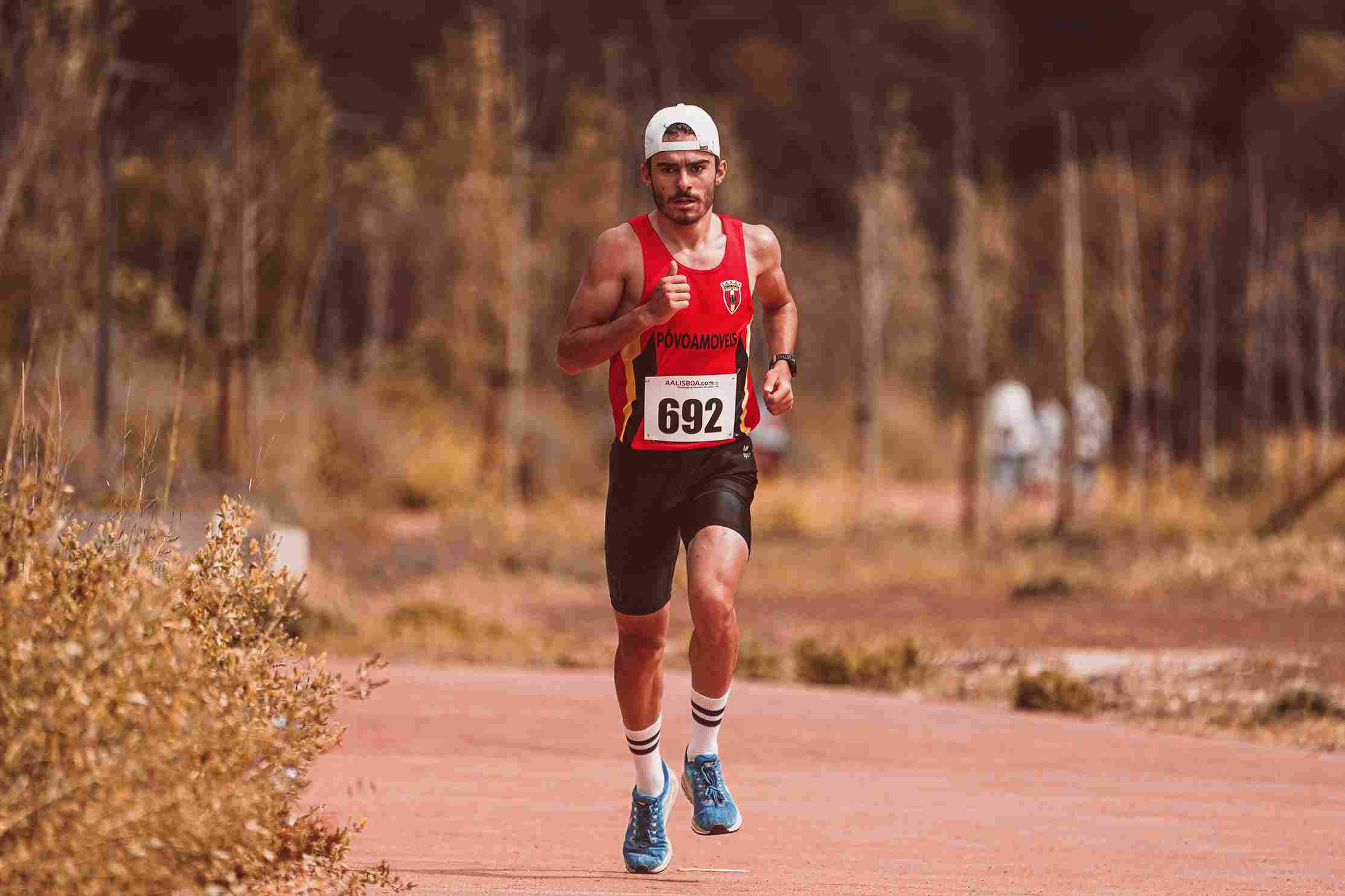
Athletes and active individuals. If you’re training regularly, recovery quality determines performance gains. Reducing cortisol, improving sleep, and calming inflammation through gut-brain support adds a layer that protein shakes and foam rollers can’t provide. Combined with proper sports nutrition — including energy gels, creatine, and adequate protein — PS128 + PS23 addresses the recovery factors most athletes overlook.
Adults over 50 concerned about muscle loss. Sarcopenia affects roughly 10-16% of adults over 60. It’s not just about losing strength — it increases fall risk, reduces independence, and impacts quality of life. PS23’s potential to counteract age-related muscle atrophy makes it relevant for anyone in this demographic, especially alongside resistance exercise and adequate nutrition.
High-stress professionals. If chronic stress is your reality, elevated cortisol is likely undermining your sleep, recovery, and long-term health. PS23’s cortisol-lowering effect combined with PS128’s mood support offers a dual approach to stress management through the gut-brain axis.
The practical side is straightforward:
Take one sachet daily, ideally with a meal. The Activhealth Multibiotics Active contains both PS128 and PS23 in clinically relevant doses.
Don’t replace your existing recovery routine. PS128 + PS23 complements – doesn’t replace – proper nutrition, hydration, sleep, and exercise. Think of it as the foundation layer your other recovery tools build on.
Allow 4-8 weeks. Stress and mood improvements typically appear within 2-4 weeks. Muscle-related benefits may take 8-12 weeks of consistent use.
Track your progress. Monitor sleep quality, perceived stress levels, recovery speed between workouts, and any changes in strength or mobility.
Recovery isn’t just about what happens in your muscles after a workout. It’s about the hormonal, neurological, and inflammatory environment your entire body operates in. The gut-brain axis is the control centre for much of this environment.
By supporting it with targeted psychobiotics like PS128 and PS23, you’re not adding another isolated supplement to your stack. You’re supporting the system that makes everything else work better – from protein synthesis to stress resilience to quality sleep.
Whether you’re 25 and training for a marathon or 65 and working to maintain your independence, the principle is the same: a healthier gut supports a stronger, calmer, more resilient body and mind.

Enjoy free shipping when you spend $60 or more on your order.
Enter Voucher Code: firstorderdiscount