Free Singapore Delivery Above $60
Singapore holds a title nobody wants – the most sleep-deprived country out of 17 nations surveyed. Only 44% of Singaporeans get the recommended seven hours of sleep. Nine in ten have experienced disrupted sleep. The average working adult clocks 5.9 hours on weeknights and wakes up with a 1.1-hour deficit before the day even starts.
And yet, only 15% of Singaporeans use any form of sleep supplement. In the US, that number is 36%. In Canada, 34%. Somewhere between knowing we don’t sleep enough and actually doing something about it, most of us just accept the tiredness and carry on.
If you’ve considered melatonin but heard mixed things, or tried it and found it didn’t make much difference, you’re in the right place. Melatonin addresses one narrow piece of the sleep puzzle. For most people struggling with sleep in Singapore, the problem runs deeper – and so should the solution.
Melatonin is a hormone your brain produces when it’s time to sleep. Taking supplemental melatonin tells your brain “it’s nighttime” — which is useful for jet lag or shift work where your circadian rhythm is genuinely confused about what time it is.
But for most Singaporeans with sleep problems, the issue isn’t that their brain doesn’t know it’s nighttime. The issue is that their nervous system won’t switch off.
You lie in bed knowing you need to sleep. Your brain knows it’s 11pm. Melatonin is being produced. But your body is still running on the stress of the day — cortisol hasn’t dropped, muscles are tense, thoughts are racing about tomorrow’s deadlines, and your nervous system is stuck in low-grade fight-or-flight mode.
This is why melatonin helps some people fall asleep but doesn’t help them stay asleep or wake up feeling rested. It addresses the timing signal but not the activation state. For deeper, more restorative sleep, you need to address the nervous system, the stress hormones, and the neurotransmitters that actually govern sleep quality.
If Singapore’s sleep crisis has a single most overlooked contributor, it’s magnesium deficiency.
Magnesium does three things that directly affect sleep quality. It activates your parasympathetic nervous system — the “rest and digest” mode your body needs to enter before sleep becomes possible. It regulates GABA, the neurotransmitter that quiets brain activity. And it helps regulate melatonin production itself — meaning your body’s own melatonin works better when magnesium levels are adequate.
A 2026 systematic review confirmed that magnesium supplementation shows moderate benefits for sleep quality, with the strongest effects in people who were deficient — which, given Singapore’s stress levels, processed food consumption, and tropical sweating, describes a significant portion of the population. Signs of magnesium deficiency include the exact symptoms most sleep-deprived Singaporeans report: muscle tension, restless legs, racing thoughts, and an inability to wind down.
The most effective approach combines two formats:
Oral magnesium bisglycinate — taken 30-60 minutes before bed. Bisglycinate is the form that crosses the blood-brain barrier most effectively, directly supporting GABA activity and neural calming. This is the systemic foundation. Practitioner-grade magnesium bisglycinate at 200-400mg nightly is the research-supported dose.
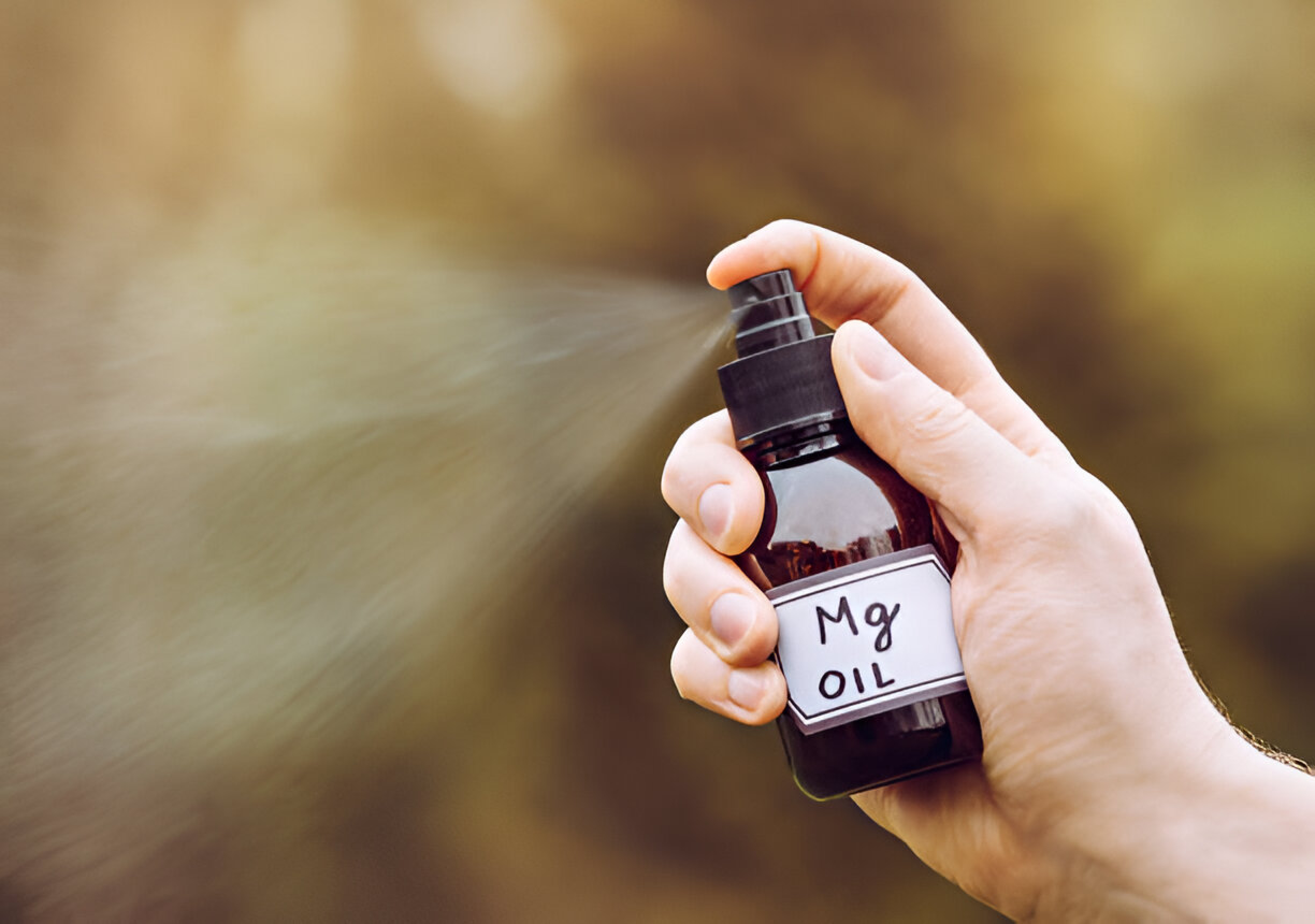
Transdermal magnesium with lavender — applied to your chest and shoulders as part of your bedtime routine. BetterYou’s sleep-focused magnesium products combine magnesium chloride with lavender and chamomile essential oils. The magnesium absorbs through your skin to relax surface muscles while the aromatherapy engages your olfactory system — one of the fastest pathways to trigger nervous system calming. This isn’t woo — lavender’s anxiolytic effects have been demonstrated in clinical trials.
The 30-second ritual of applying magnesium lotion before bed serves a dual purpose: the ingredients work biochemically, and the ritual itself signals to your brain that the day is over. Habit-based sleep cues are one of the most effective sleep hygiene tools, and building supplementation into a physical ritual makes both the habit and the supplement more effective.
For children who struggle with bedtime — an increasingly common issue in Singapore where 85% of teenagers get less than eight hours — age-appropriate magnesium products designed for children aged 1+ provide the same calming mechanism in gentler formulations with child-safe botanicals including oat extract and calendula. Our complete guide to supplements for kids covers the full children’s bedtime support approach.
Here’s what most sleep supplement guides miss entirely: your gut produces the precursors to your sleep hormones.
Serotonin — roughly 90% of which is produced in your gut — is the precursor to melatonin. Your body converts serotonin to melatonin through an enzymatic process that happens in the pineal gland. When gut serotonin production is disrupted — from stress, poor diet, microbiome imbalance, or digestive issues — your body’s raw material for melatonin production decreases.
This means that for some people, the real reason melatonin supplements don’t work is that the problem isn’t melatonin deficiency — it’s serotonin deficiency driven by gut dysfunction. Taking exogenous melatonin bypasses the issue rather than fixing it.
Psychobiotics that work on the gut-brain axis address this at the source. PS128 modulates serotonin and dopamine production through the gut, supporting the biological foundation that your body needs to produce adequate melatonin on its own.
For people whose sleep problems are intertwined with stress and anxiety — which 61% of Singaporeans identify as their primary sleep disruptor — combining PS128 with PS23 for cortisol reduction creates a dual approach. PS128 supports serotonin (the melatonin precursor), while PS23 lowers cortisol (the hormone that keeps you wired). Together, they address both sides of the sleep equation: building the chemistry for sleep while removing the chemistry that prevents it.
Take psychobiotics in the morning with breakfast — their effect on sleep happens through sustained neurochemical shifts over weeks, not through immediate sedation. Allow 2-4 weeks of consistent daily use before evaluating sleep improvements.
Cortisol follows a natural daily rhythm: it peaks in the early morning to wake you up and drops to its lowest around midnight to let you sleep. When this rhythm is disrupted — from chronic stress, irregular schedules, evening screen exposure, or late-night eating — cortisol stays elevated at night, and sleep becomes a battle.
A 2026 survey found that 97% of Singapore workers report productivity drops after poor sleep, yet 53% say heavy workloads negatively affect their sleep. This is the cortisol trap: work stress raises cortisol, high cortisol prevents sleep, poor sleep reduces productivity, reduced productivity increases work stress. The cycle feeds itself.
Breaking this cycle requires more than a sleep supplement taken at bedtime. It requires lowering your overall cortisol baseline so that by evening, your cortisol has actually dropped enough for sleep to happen naturally.
Magnesium bisglycinate helps because it modulates the HPA axis — your body’s stress response system. PS23 helps because it directly reduces cortisol production. Omega-3 EPA from fish oil supplements helps because it reduces the neuroinflammation that keeps stress responses elevated.
The practical insight: your sleep problem might need to be solved at 8am, not 10pm. If cortisol is the root cause, what you take in the morning (PS128+PS23, omega-3) matters as much for tonight’s sleep as what you take before bed (magnesium).
40% of Singaporeans are vitamin D deficient — and vitamin D receptors exist in brain regions that regulate sleep-wake cycles. Research has found associations between low vitamin D and poor sleep quality, shorter sleep duration, and increased daytime sleepiness.
The mechanism involves vitamin D’s role in serotonin synthesis (the melatonin precursor again) and its influence on sleep-regulating brain regions. Correcting a vitamin D deficiency won’t fix insomnia on its own, but if you’re deficient, it removes a barrier that’s making everything else less effective.
Take vitamin D in the morning — not evening — as some evidence suggests it may interfere with melatonin production if taken close to bedtime.
Melatonin — useful for jet lag and circadian rhythm disorders. Less effective for stress-related insomnia, which is Singapore’s primary sleep issue. Not a long-term solution — your body can down-regulate its own melatonin production if you take it nightly for extended periods.
Valerian root — traditional use for sleep, but clinical evidence is mixed. Some trials show modest benefit, others show no difference from placebo. If it works for you, continue — but if it hasn’t helped, the evidence supports moving to better-researched options.
Chamomile — mild calming effects through apigenin, a compound that binds to GABA receptors. Effective as part of a bedtime ritual (tea, or in topical magnesium formulations) but unlikely to resolve significant sleep issues on its own.
GABA supplements — oral GABA has difficulty crossing the blood-brain barrier, which limits its effectiveness when taken as a capsule. Magnesium’s GABA-supporting mechanism works differently — it enhances your brain’s existing GABA activity rather than trying to deliver GABA externally.
Start here (everyone): Magnesium bisglycinate 200-400mg, 30-60 minutes before bed. Add transdermal magnesium with lavender as a bedtime ritual.
If stress keeps you awake: Add PS128+PS23 psychobiotic in the morning. This addresses the cortisol and serotonin pathways that drive stress-related insomnia.
If you suspect nutrient deficiency: Check your vitamin D levels. If deficient, supplement in the morning. Check our daily supplement routine guide for optimal timing of all supplements.
If anxiety is the primary driver: Read our dedicated guide on supplements for anxiety — anxiety-driven insomnia requires addressing the anxiety first, not just the sleep symptoms.
If your child can’t sleep: Age-appropriate magnesium products (1+) with calming botanicals. Avoid giving children melatonin without medical guidance.
The data paints a clear picture. Singapore normalises poor sleep more than any other country surveyed — 21% of us consider bad sleep just part of life. We know we should sleep more (83% view sleep as one of life’s greatest joys), yet we consistently sacrifice it for work, screens, and productivity.
Sleep supplements aren’t a fix for a culture that glorifies hustle over rest. But they can provide the biochemical support your body needs to actually achieve deep sleep when you do give it the opportunity. The combination of adequate magnesium, a supported gut-brain axis, managed cortisol, and sufficient vitamin D creates the internal conditions where sleep can happen — even in a city that never quite switches off.
The irony is that better sleep makes you more productive than the extra hour of work you sacrificed it for. Singapore’s sleep deficit costs the economy an estimated US$12 billion annually — nearly 3% of GDP. Sleeping properly isn’t lazy. It’s the highest-leverage productivity tool most Singaporeans aren’t using.

Enjoy free shipping when you spend $60 or more on your order.
Enter Voucher Code: firstorderdiscount