Free Singapore Delivery Above $60
You’ve tried the breathing exercises. You’ve downloaded the meditation app. You tell yourself there’s nothing to be anxious about — which somehow makes it worse. The tightness in your chest at 3am, the racing thoughts before a meeting, the general sense of dread that shows up uninvited and refuses to leave.
If this sounds like your life, you’re far from alone. Anxiety disorders are the most common mental health condition globally. In Singapore, approximately 1 in 7 people will experience a mental health condition in their lifetime, with anxiety among the most frequently reported.
The question most people eventually ask is: can supplements actually help? Not replace therapy or medication, but genuinely take the edge off?
The honest answer is: some can, with good evidence. Others are mostly marketing. Here’s what the clinical research actually supports — no hype, just data.
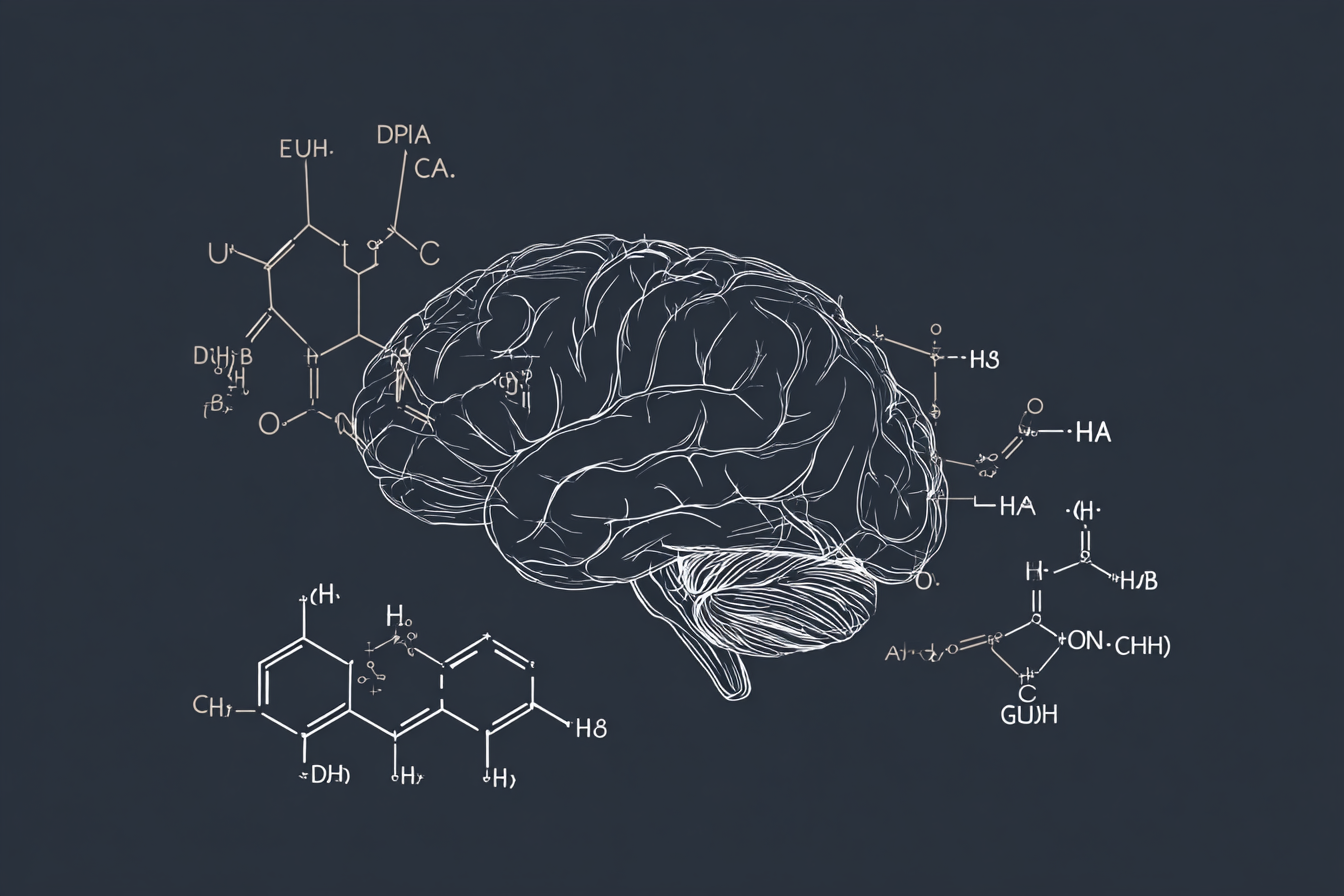
Anxiety isn’t just “being worried.” It’s a measurable state in your nervous system involving specific neurotransmitters, hormones, and inflammatory pathways.
Three biological systems are most relevant:
Your GABA system. GABA (gamma-aminobutyric acid) is your brain’s primary calming neurotransmitter. When GABA activity is low, your brain stays in an activated state — alert, reactive, unable to switch off. Most anti-anxiety medications (benzodiazepines) work by boosting GABA. Certain supplements support GABA activity naturally.
Your stress hormones. Cortisol and adrenaline are meant to spike briefly during genuine threats, then return to baseline. In chronic anxiety, they stay elevated — keeping your body in fight-or-flight mode long after the “threat” has passed. Supplements that lower cortisol can interrupt this cycle.
Your gut-brain axis. Your gut produces roughly 90% of your body’s serotonin — the neurotransmitter most associated with mood stability and calm. When your gut microbiome is disrupted, serotonin production suffers, and anxiety can intensify. This gut-brain connection is why digestive problems and anxiety so often appear together.
Understanding these three systems helps you choose the right supplement for your specific type of anxiety rather than blindly trying whatever the internet recommends.
If you only try one supplement for anxiety, make it magnesium.
A 2026 systematic review published in Food Production, Processing and Nutrition analysed clinical trials on magnesium supplementation for anxiety and depression. The conclusion: magnesium shows “moderate antidepressant and mild anxiolytic effect,” with the strongest benefits in people who were magnesium deficient or had partial response to standard treatment.
A separate 7-trial meta-analysis supported doses of 248-500mg per day, with magnesium glycinate (bisglycinate) identified as the preferred form for anxiety because it crosses the blood-brain barrier more effectively than other forms.
The mechanism is clear: magnesium modulates GABA receptors, regulates the HPA axis (your stress response system), and helps prevent the neural excitability that drives anxious thoughts. When magnesium is low — which is common in Singapore due to stress, processed food, and tropical sweating — your nervous system loses its natural brake pedal.
What to take: Magnesium bisglycinate — the most absorbable form that specifically supports brain function. Take 200-400mg in the evening, as it also helps with sleep quality — and poor sleep is one of the biggest anxiety amplifiers.
For bedtime anxiety: Pair oral magnesium with BetterYou Magnesium Sleep Lotion applied to your chest and shoulders. The lavender and chamomile provide aromatherapy-based calming while the transdermal magnesium relaxes muscles that carry the physical tension of anxiety.
This is the approach most anxiety supplement guides skip entirely — and it might be the most important one for people whose anxiety is connected to stress, digestive issues, or mood instability.
A 2026 review published in collaboration with the World Federation of Societies of Biological Psychiatry found that probiotics show “small improvements in depressive and anxiety symptoms” — with the critical caveat that effects are strain-dependent. Generic probiotics from the pharmacy aren’t targeting the gut-brain pathways that drive anxiety. You need specific strains studied for this purpose.
PS128 (Lactiplantibacillus plantarum PS128) is one of the few probiotic strains classified as a psychobiotic — meaning it specifically modulates the gut-brain axis. Clinical studies show it influences dopamine and serotonin production through the gut, supporting mood stability, focus, and emotional regulation.
For anxiety that’s closely tied to stress — the kind where you feel wired, your cortisol is running high, and you can’t switch off — PS128 combined with PS23 adds cortisol-lowering benefits. PS23 has been clinically shown to reduce cortisol levels, directly addressing the hormonal driver of stress-related anxiety.
What to take: PS128 daily with breakfast (food buffer helps probiotic survival). Allow 2-4 weeks for noticeable effects — psychobiotics work by gradually reshaping your gut-brain communication, not by providing an immediate sedative effect.
Who benefits most: People whose anxiety worsens with stress, people who also experience digestive issues alongside anxiety (extremely common), and people who feel that standard calming supplements don’t address the root cause.
A meta-analysis examining omega-3 supplementation found it effective for adults with anxiety symptoms, particularly those with clinical diagnoses. The proposed mechanisms include reducing neuroinflammation, supporting BDNF (brain-derived neurotrophic factor) production, lowering cortisol, and improving cardiovascular reactivity to stress.
The important detail: EPA (eicosapentaenoic acid) appears more relevant for anxiety and mood than DHA. While DHA supports brain structure, EPA is the anti-inflammatory component that addresses the neuroinflammation increasingly linked to anxiety disorders.
Over 200 clinical trials have assessed natural products for depression and anxiety. Among the most studied — with 39 trials — omega-3 fatty acids showed consistent modest benefits, particularly as adjuncts to existing treatment.
What to take: EPA-rich omega-3 formulations — look for supplements where EPA content exceeds DHA. Efamol’s range provides clinically researched formulations with optimal fatty acid ratios backed by 30+ years of research.
Who benefits most: People with chronic, low-grade anxiety rather than acute panic. People whose anxiety is accompanied by physical inflammation (joint pain, skin issues, digestive inflammation). People who haven’t responded fully to other approaches.
Vitamin D’s role in anxiety is often overlooked, but 14 clinical trials have examined the connection, and the trend is consistent: vitamin D deficiency is associated with higher anxiety rates, and supplementation in deficient individuals tends to improve symptoms.
The mechanism involves vitamin D receptors in brain regions that regulate mood and stress responses. When vitamin D is inadequate, these regions function suboptimally — contributing to both depression and anxiety.
This is especially relevant in Singapore, where 40% of the population is vitamin D deficient despite living in the tropics. If you work indoors, commute underground, and spend your leisure time in air-conditioned spaces — which describes most working adults here — your vitamin D status is worth checking before concluding that your anxiety is “just psychological.”
What to take: Vitamin D3 + K2 combination. The K2 ensures calcium goes to your bones rather than your arteries. A daily spray is the simplest format — no pills, no remembering with food.
Who benefits most: People with anxiety who also experience fatigue, brain fog, or low mood. People who spend most of their day indoors. Anyone who hasn’t had their vitamin D levels tested.
Being honest about limitations builds trust. Several popular “anxiety supplements” have weaker evidence than their marketing suggests:
L-theanine (from green tea) has some positive preliminary data but most studies are small and short-term. It may help with situational anxiety (before a presentation, during a flight) but the evidence for chronic anxiety is limited.
Ashwagandha has growing research interest but study quality varies widely. Some trials show meaningful cortisol reduction; others show minimal effect. It’s promising but not yet at the evidence level of magnesium or omega-3.
CBD oil is widely marketed for anxiety but clinical evidence is inconsistent, doses used in positive studies are much higher than commercial products typically provide, and regulatory status in Singapore remains restrictive.
These aren’t worthless — they may genuinely help some people. But if you’re choosing based on evidence strength, start with magnesium, psychobiotics, omega-3, and vitamin D before exploring these options.
Start with ONE supplement. Give it 4 weeks. Then add the next if needed.
Step 1 — Start here: Magnesium bisglycinate (evening). This addresses the most common deficiency linked to anxiety and also improves sleep.
Step 2 — If stress drives your anxiety: Add PS128 psychobiotic (morning with breakfast). This addresses the gut-brain axis and supports serotonin and dopamine production.
Step 3 — If inflammation is present: Add omega-3 EPA (morning with food). This reduces neuroinflammation that contributes to chronic anxiety.
Step 4 — Check your vitamin D. Get tested. If deficient, supplement. This may be the missing piece that makes everything else work better, since vitamin D is needed to activate magnesium in your body.
Browse the full mental wellbeing range to find the right support for your needs.
Work culture and anxiety. Singapore’s demanding professional environment is a primary anxiety driver. Long hours, performance pressure, and the constant connectivity of smartphones keep cortisol elevated. Supplementation works best alongside boundaries — screens off after 9pm, lunch breaks away from your desk, and genuine rest on weekends.
Stigma is reducing but still present. Many Singaporeans still feel uncomfortable seeking help for anxiety. Supplements offer a private, non-clinical starting point — though they should complement professional support, not replace it. If your anxiety significantly affects your daily functioning, speak with a healthcare professional.
Exam and academic pressure. Singapore’s education system creates anxiety not just in students but in entire families. If your child shows anxiety symptoms, our guide on probiotics and supplements for kids covers age-appropriate options including PS128 for children with behavioural or attention challenges.
Cost of living stress. Financial anxiety is increasingly reported in Singapore. While no supplement fixes financial problems, reducing the physiological anxiety response can help you think more clearly and make better decisions – which does help.

Enjoy free shipping when you spend $60 or more on your order.
Enter Voucher Code: firstorderdiscount