Free Singapore Delivery Above $60
You’ve bought the supplements. They’re sitting on your kitchen counter – five bottles, two sprays, and a box of sachets. Every morning you stare at them, take one or two, forget the rest, and wonder if any of it is actually doing anything.
Sound familiar? You’re not alone. Most people who buy supplements don’t take them consistently, don’t time them correctly, and end up with an expensive collection of half-finished bottles. The problem isn’t the supplements – it’s the lack of a simple system.
This guide gives you that system. Not a complicated protocol with 15 steps and a spreadsheet. Just a straightforward morning-meals-evening framework that fits into a normal Singapore day – MRT commute, office lunch, evening gym session, and all.
Taking the right supplement at the wrong time doesn’t make it dangerous – it makes it less effective. Some supplements need food for absorption. Others compete with each other for the same absorption pathways. Some wake you up, others calm you down.
Getting the timing right means you absorb more of what you’re paying for and actually feel the difference. Getting it wrong means expensive urine and the belief that “supplements don’t work for me.”
Here’s the framework.
Your morning supplements should do two things: support energy and focus for the day ahead, and take advantage of the meal you’re about to eat (fat-soluble supplements absorb best with breakfast).
Vitamin D3 + K2
Take this with breakfast because vitamin D is fat-soluble – it needs dietary fat to absorb properly. Even the fat in your kaya toast or a couple of eggs is enough. The BetterYou D3+K2 Oral Spray makes this effortless – one spray inside your cheek while the kettle boils. No pill, no water needed, and buccal absorption means it doesn’t even need the food technically, though the K2 benefits from fat.
Why morning specifically? Vitamin D supports alertness and energy. Some people report it disrupts sleep when taken in the evening, likely because it may suppress melatonin production. Morning is the natural biological time for vitamin D – that’s when your skin would produce it from sunlight if you were actually outside. And in Singapore, where 40% of us are deficient despite the sunshine, a morning spray is the simplest insurance policy.
Omega-3 DHA
Also fat-soluble, also best with breakfast. Efamol Efalex Brain Formula delivers DHA for brain function and cognitive support — think of it as structural maintenance for your brain, like oil for an engine. Taking it in the morning means the DHA is available during the hours when you need your brain working hardest.
If you take evening primrose oil for hormonal balance, take it at breakfast too — the GLA in Efamol Evening Primrose Oil is also fat-soluble and pairs naturally with your omega-3 at the same meal.
Psychobiotic (PS128)
PS128 supports dopamine and serotonin pathways through the gut-brain axis. Taking it in the morning means the neurotransmitter support aligns with your waking hours — when you need focus, motivation, and mood stability the most.
Take it with breakfast. The food provides a buffer that helps the probiotic bacteria survive stomach acid and reach your intestines alive. An empty stomach is more acidic and destroys more of the probiotic before it can colonise.
Beetroot Shot (if you take one)
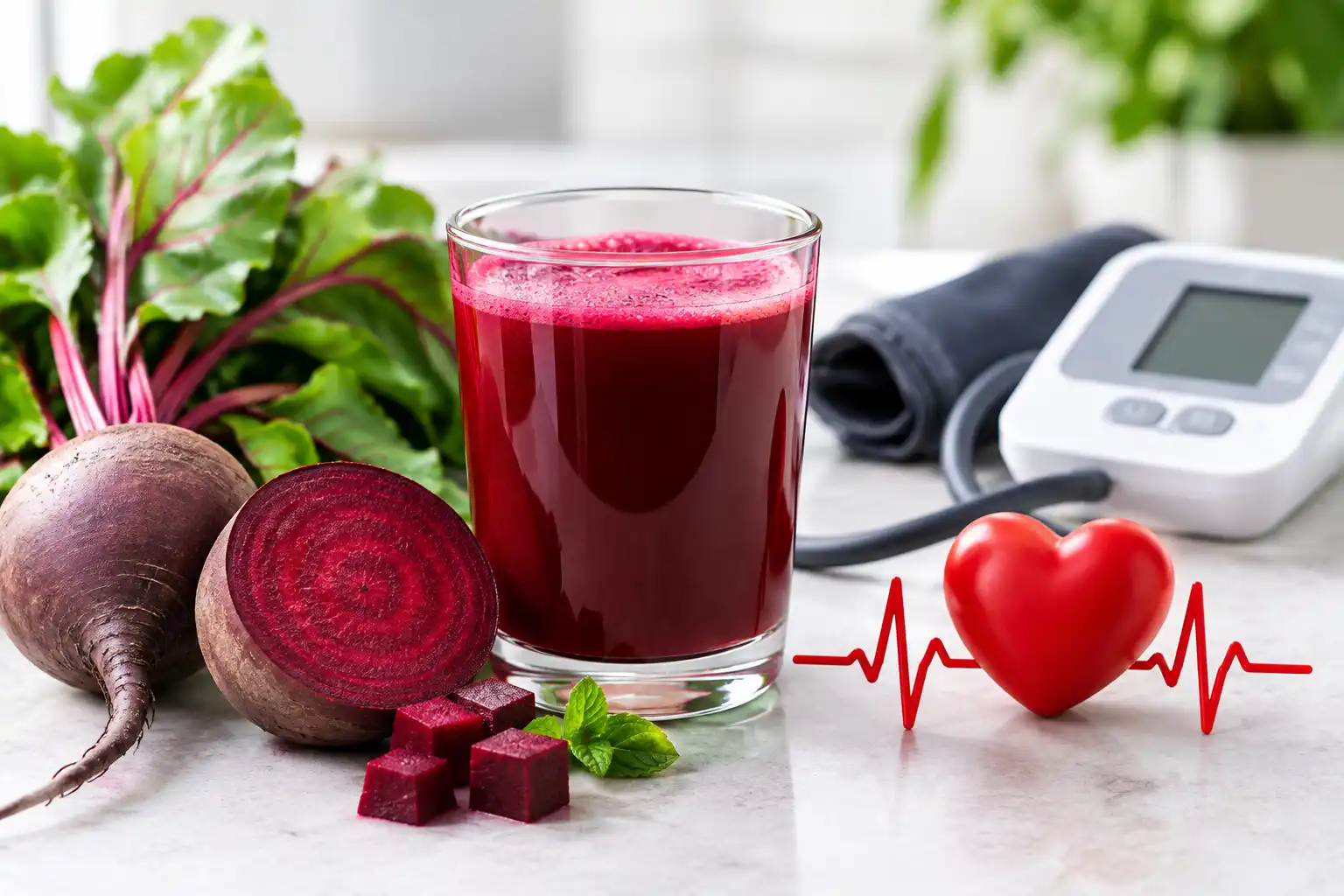
If you’re using Beet It Beetroot Shots for blood pressure or general circulation, morning is ideal. The nitric oxide effect peaks around 3 hours after consumption, aligning with mid-morning when blood pressure naturally rises. For the science behind this, read our guide on beetroot and blood pressure.
Gummy Vitamins
If you take Herbaland Gummy Vitamins (Vitamin C, Apple Cider Vinegar, or Turmeric), morning with breakfast is fine. They taste good enough that remembering to take them is never the issue — it’s remembering to stop at the recommended dose.
Some supplements only make sense alongside food because they either need food to work or they support the digestion of that food.
Digestive Enzymes
Take digestive enzymes right before or with your largest meal – for most Singapore workers, that’s lunch (the chicken rice, the nasi padang, the economic bee hoon that somehow costs $6 now). Enzymes break down the food you’re eating, so timing them with the meal is the whole point.
If you only take enzymes once a day, choose the meal that gives you the most trouble. If char kway teow makes you bloated but your morning oats don’t, take your enzyme with the char kway teow. Not sure whether you need enzymes or probiotics? Our comparison guide breaks down the difference.
Creatine
If you’re taking creatine for gym performance, take it with any meal. Honestly, the timing debate around creatine has been beaten to death by fitness forums, and the research says the same thing every time: it doesn’t matter when you take it. What matters is that you take it every day. With lunch, with dinner, with your post-workout shake — pick the meal you’ll never skip and make creatine part of it.
The only Singapore-specific note: creatine increases your water needs. Stir it into a full glass of water and add an extra 500ml to your daily intake, especially if you’re training in the heat. Our creatine beginner’s guide covers dosing and common questions.
PS128+PS23 (if using the Active formula)
If you’re taking Multibiotics Active for stress management and recovery rather than PS128 Mind for focus, take it with a meal. The food buffer protects the probiotic strains, and the PS23 cortisol-lowering effect works throughout the day regardless of when you take it. Read about how PS23 reduces stress hormones for the background.
Your evening supplements should support one thing: recovery. Whether that’s muscle recovery from a gym session, neural recovery from a stressful workday, or simply setting your body up for deeper sleep.
Magnesium Bisglycinate
This is the single most impactful evening supplement for most people. Magnesium bisglycinate crosses the blood-brain barrier, activates your parasympathetic nervous system, and supports melatonin production. Take it 30-60 minutes before bed with a small amount of water.
If you’ve read our guide on magnesium deficiency signs, you’ll know that muscle cramps, poor sleep, anxiety, and brain fog are all linked to low magnesium. Evening supplementation addresses the sleep and recovery side of that equation.
Magnesium Sleep Lotion or Spray
For an extra layer of relaxation, apply BetterYou Magnesium Sleep Lotion to your chest and shoulders after your shower. The lavender and chamomile work through aromatherapy while the magnesium absorbs through your skin. It’s a 30-second ritual that signals to your body that the day is over.
For kids who struggle with bedtime, the BetterYou Kids Sleep Lotion turns magnesium supplementation into a calming bedtime massage. Read our full guide on probiotics and supplements for kids for a complete children’s routine.
Post-Gym Recovery (if you trained in the evening)
Singapore’s gym-after-work culture means many people train at 7-9pm. If that’s you, your evening routine adds a recovery layer. Apply BetterYou Magnesium Gel directly to the muscles you trained — it delivers concentrated, sustained-release magnesium exactly where you need it. Then take your oral magnesium bisglycinate as usual. Topical plus oral covers both targeted muscle relief and systemic recovery.
For detailed gym-specific recovery strategies, check our pre and post workout supplement guide.
A few combinations to avoid stacking at the same time:
Calcium and iron — they compete for the same absorption pathway. If you take both, separate them by at least 2 hours. Most people don’t need supplemental calcium if they’re getting adequate vitamin D and K2, which improve calcium absorption from food.
Caffeine and iron — coffee and tea reduce iron absorption by up to 60%. If you take an iron supplement, separate it from your morning kopi by at least an hour.
Magnesium and zinc — in very high doses they can compete for absorption. At normal supplemental doses (under 400mg magnesium, under 30mg zinc), this isn’t a practical concern. But if you take both, spreading them across different meals is a simple precaution.
Multiple probiotics at the same time — if you take both PS128 Mind and a digestive probiotic, take them at different meals. Different strains can compete for the same colonisation sites in your gut when introduced simultaneously.
If the full morning-meals-evening framework feels like too much, start with just three supplements — the ones that address the most common gaps in Singapore adults:
Morning: Vitamin D3+K2 spray (one spray with breakfast) Lunch: Nothing — just eat a balanced meal Evening: Magnesium bisglycinate (one capsule before bed)
That’s it. Two supplements, two moments in your day, covering the two most widespread deficiencies in Singapore — vitamin D (40% of us are deficient) and magnesium (especially if you’re stressed, active, or sweating in the heat).
Once this becomes automatic — like brushing your teeth — add one more supplement based on your specific needs. Gut health issues? Add a probiotic at breakfast. Brain fog? Add omega-3 DHA. Gym performance? Add creatine with any meal. Build gradually rather than trying to swallow ten pills on day one.
Your supplement routine shifts during perimenopause and menopause. Morning adds evening primrose oil for hormonal support, and the BetterYou Menopause Spray (with ylang-ylang and clary sage) becomes part of your daily routine. Our full menopause supplement guide covers the complete adjusted routine.
Training adds a pre-workout layer (beetroot shot + caffeine) and a post-workout layer (cherry recovery shot + magnesium gel). The daily foundation stays the same — vitamin D, omega-3, magnesium — with performance supplements layered around training sessions. Read our runner’s supplement guide for the full sport-specific stack.

Enjoy free shipping when you spend $60 or more on your order.
Enter Voucher Code: firstorderdiscount